
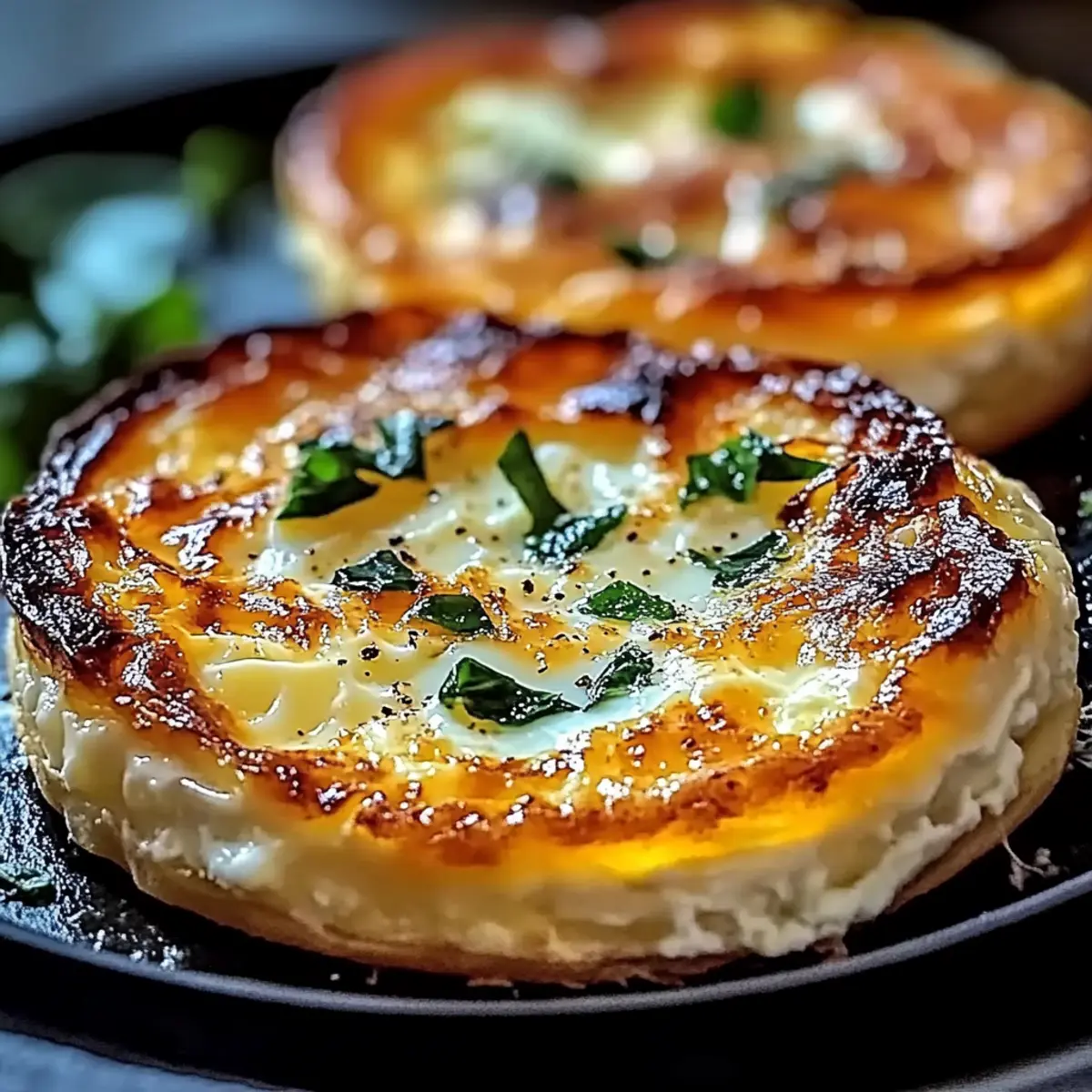
As I pulled my freshly baked creation from the oven, a delightful aroma filled the kitchen, a sure sign something special was on the table. These Baked Cottage Cheese Eggs are not only a visual treat with their golden-brown edges but also a protein-packed breakfast delight that promises a fulfilling start to your day. With 28 grams of protein per serving, this quick and customizable recipe caters to busy mornings, enabling you to enjoy a nutritious alternative to fast food. The beauty lies in its versatility; you can mix in your favorite veggies or spices to make each batch uniquely yours. So, whether you’re gearing up for a long day ahead or simply craving a hearty meal, these Baked Cottage Cheese Eggs are here to energize you. What will you add to yours? Let’s explore the possibilities together!

Why Are Baked Cottage Cheese Eggs Amazing?
Protein-Packed and nutritious, each serving delivers a whopping 28 grams of protein, perfect for fueling your day. Time-Saving and easy to whip up, this dish can be prepped in under 10 minutes! Customizable for your taste, add your favorite veggies like spinach or bell peppers to make it uniquely yours. Fluffy Texture that resembles a savory custard makes these eggs a satisfying breakfast or snack. Not only is it gluten-free, but it’s also perfect for meal prep, allowing you to enjoy a quick, hearty meal throughout the week. Dive into even more delightful flavors with variations like Cottage Cheese Blueberry or Cheese Banana Pudding for a delicious twist!
Baked Cottage Cheese Eggs Ingredients
For the Base
- Cottage Cheese – Provides creaminess and protein; use lactose-free cottage cheese if needed.
- Eggs – Essential for structure and richness; opt for large eggs for best results.
- Parmesan Cheese – Adds a savory depth; replace with nutritional yeast for a dairy-free option.
For Flavor Enhancements
- Fresh Chives – Offers a mild onion flavor; substitute with green onion if preferred.
- Garlic Powder – Enhances flavor; can be switched to fresh minced garlic, adjusting to taste.
- Paprika – Boosts color and flavor; smoked paprika can be used for a deeper taste.
- Salt & Pepper – Essential seasonings to enhance overall flavor profile.
For Customization
- Bell Peppers – Customizable add-in for extra nutrients; ensure to drain excess moisture if using.
- Spinach – Adds nutritional value; use fresh or well-thawed frozen spinach.
- Sun-Dried Tomatoes – Flavorful add-in; drain well to prevent sogginess.
Explore the delightful world of Baked Cottage Cheese Eggs and customize to suit your palate!
Step‑by‑Step Instructions for Baked Cottage Cheese Eggs
Step 1: Preheat the Oven
Begin by preheating your oven to 375°F (190°C). This step is crucial for ensuring that your Baked Cottage Cheese Eggs cook evenly and achieve that perfectly fluffy texture. As the oven warms up, you can prepare your baking dish to save time.
Step 2: Prepare the Baking Dish
While the oven is heating, grab a 9-inch pie dish or an 8×8-inch baking dish and grease it generously with cooking spray or a little oil. This will help your eggs release easily after baking, keeping your Baked Cottage Cheese Eggs intact and looking delicious when served.
Step 3: Blend the Cottage Cheese
In a food processor, add the cottage cheese and blend until it reaches a smooth, silky consistency. This step is vital for achieving that creamy texture in your Baked Cottage Cheese Eggs, eliminating any lumps that can disrupt the dish’s delightful mouthfeel.
Step 4: Whisk the Eggs
In a mixing bowl, crack and whisk the large eggs until well combined and frothy. Gradually fold in the blended cottage cheese, along with Parmesan cheese, fresh chives, garlic powder, paprika, salt, and pepper. If you’re adding vegetables, now is the time to mix them in gently for a burst of flavor.
Step 5: Pour the Mixture
Carefully pour the egg mixture into your prepared baking dish, spreading it evenly. This ensures that every bite of your Baked Cottage Cheese Eggs has that delightful fluffy texture and rich flavor. Make sure the mixture fills the dish but doesn’t overflow.
Step 6: Bake in the Oven
Place the dish in the preheated oven and bake for 15-17 minutes. Keep a close eye on the eggs; you’ll know they’re ready when the edges look firm and set while the center still jiggles slightly. To ensure food safety, check that the internal temperature reaches 160°F.
Step 7: Rest and Serve
Once out of the oven, let your Baked Cottage Cheese Eggs rest for 2-3 minutes. This cooling period allows the dish to set further, making it easier to slice. After resting, cut the eggs into squares, serve them warm, and enjoy this protein-packed breakfast delight!
Storage Tips for Baked Cottage Cheese Eggs
-
Fridge: Store leftovers in an airtight container for up to 3 days. Reheat gently in the microwave or oven, ensuring the centers are warmed through but still soft.
-
Freezer: For long-term storage, freeze individual portions for up to 2 months. Wrap each portion tightly in plastic wrap before placing it in a freezer-safe bag.
-
Thawing: To enjoy later, thaw frozen Baked Cottage Cheese Eggs in the refrigerator overnight before reheating. This ensures even warming without losing texture.
-
Serving Warm: When ready to serve, reheat in a microwave or oven until heated through, about 2-4 minutes; this keeps them fluffy and delicious!
Make Ahead Options
These Baked Cottage Cheese Eggs are a fantastic meal prep solution for busy mornings! You can prepare the egg mixture up to 24 hours in advance by blending the cottage cheese and whisking in the eggs, cheeses, and seasonings. Store it in the refrigerator in an airtight container to preserve freshness. Additionally, you can chop and sauté any optional vegetables like bell peppers or spinach in advance, ensuring they are well-drained to maintain texture. When you’re ready to bake, simply pour the mixture into your greased dish and pop it in the oven as directed, yielding a delicious, protein-packed breakfast that’s just as delightful as when freshly made!
What to Serve with Baked Cottage Cheese Eggs
Start your culinary adventure by pairing this protein-packed dish with delightful sides that elevate your meal experience.
- Avocado Slices: Creamy and rich, fresh avocado adds essential healthy fats, perfectly balancing the lightness of the eggs.
- Whole Grain Toast: The nutty crunch of whole grain toast provides a satisfying contrast, making it a hearty addition to your breakfast. A spread of butter or jam makes it even more irresistible!
- Mixed Green Salad: A refreshing salad with vibrant greens and a tangy vinaigrette adds a burst of freshness, enhancing the overall meal while keeping it light.
- Herbed Quinoa: This fluffy grain is packed with protein and fiber, providing an earthy flavor that complements the eggs beautifully. Season with fresh herbs for an added touch!
- Sautéed Spinach: Lightly sautéed spinach adds a warm, buttery touch while infusing nutrients and color to your plate. It’s a simple yet delicious way to boost the dish’s overall healthiness.
- Fresh Fruit Salad: A mix of sweet, juicy fruits like berries or melons isn’t just a beautiful accompaniment; it offers a refreshing contrast to the savory eggs, rounding out your breakfast experience.
- Green Tea or Herbal Infusion: Sip on a warm cup of green tea or soothing herbal infusion; it’s a gentle choice that complements the meal without overpowering it.
- Greek Yogurt Parfait: Pair with a yogurt parfait layered with granola and fruit to create a delightful breakfast spread. The creaminess works wonders alongside the fluffy eggs!
- Sweet Potato Hash: Savory sweet potato hash adds a hearty texture and slightly sweet flavor, making it a comforting addition to the morning feast.
Let your taste buds lead the way as you mix and match these delightful sides with your Baked Cottage Cheese Eggs!
Baked Cottage Cheese Eggs: Customize Yours!
Feel free to let your culinary creativity shine with these delightful variations!
-
Dairy-Free: Substitute cottage cheese and Parmesan with vegan alternatives to make this dish lactose-free and just as delicious.
-
Spice It Up: Add a pinch of cayenne pepper or red pepper flakes for a lovely kick that wakes up your taste buds.
-
Veggie Boost: Mix in chopped kale or roasted zucchini—both add a nutritious twist and vibrant flavors.
-
Herbs Galore: Fresh dill or basil can elevate the dish, infusing it with fragrant, aromatic goodness.
-
Swap Cheeses: Try feta or crumbled goat cheese instead of Parmesan for a tangy contrast that will blow you away.
-
Breakfast Twist: Incorporate crumbled cooked sausage or diced smoked salmon for a hearty breakfast version.
-
Flavor Enhancer: A spoonful of pesto mixed in gives it an Italian flair, making these eggs spectacularly savory.
-
Meal Prep Friendly: Make mini portions in muffin tins for easy grab-and-go options that pack nutritional density.
With all these options, it’s clear that Baked Cottage Cheese Eggs are not just a dish—they’re a canvas for your culinary expression! Pair them with a fresh salad or herbed quinoa for a complete meal. Explore more tasty ideas like Cookie Butter Cheesecake Cups or a refreshing Blueberry Cottage Cheese for dessert!
Expert Tips for Baked Cottage Cheese Eggs
-
Blend Smoothly: Ensure your cottage cheese is blended until smooth to avoid any lumps. This will enhance the creamy texture of your Baked Cottage Cheese Eggs.
-
Check Baking Time: Keep an eye on the baking process; overbaking can lead to tough eggs. Look for a slight jiggle in the center to confirm doneness.
-
Drain Veggies: If using bell peppers or spinach, make sure to drain any excess moisture. This prevents sogginess in the final dish and maintains a delightful texture.
-
Refrigerate and Reheat: These eggs can be prepared ahead and stored in the fridge for up to 3 days. Reheat gently to preserve the creamy goodness in each serving.
-
Get Creative: Don’t hesitate to mix in different spices or veggies based on your preference. This versatility makes each batch of Baked Cottage Cheese Eggs a unique experience!

Baked Cottage Cheese Eggs Recipe FAQs
How do I select the best cottage cheese for this recipe?
Absolutely! When choosing cottage cheese, look for a brand with a smooth consistency and minimal lumps for the creamiest texture. If you’re lactose intolerant, I recommend opting for lactose-free cottage cheese, which provides the same great taste without the discomfort.
How should I store leftover Baked Cottage Cheese Eggs?
To keep your leftovers fresh, store them in an airtight container in the fridge for up to 3 days. They can be reheated gently in the microwave or oven—about 2-4 minutes should do the trick. If you prefer a firmer texture, reheat them in the oven at 350°F (175°C) until warmed through.
Can I freeze Baked Cottage Cheese Eggs?
Absolutely! For long-term storage, individual portions can be frozen for up to 2 months. To do this, wrap each portion tightly in plastic wrap, then place them in a freezer-safe bag. When you’re ready to enjoy, thaw them overnight in the refrigerator before reheating.
Why are my Baked Cottage Cheese Eggs not firming up?
Very! If your eggs are undercooked, ensure you bake them until the edges are firm and the center jiggles slightly. It’s crucial to check that they reach an internal temperature of 160°F for a safe and satisfying texture. If they’re too wet, double-check that any added vegetables are well-drained to prevent excess moisture.
Are these Baked Cottage Cheese Eggs suitable for those with allergies?
Yes, they can be! The recipe can be easily modified for dietary restrictions. For dairy-free, replace Parmesan cheese with nutritional yeast and ensure your cottage cheese is lactose-free. Just double-check your specific veggie and seasoning choices to avoid any allergens!

Baked Cottage Cheese Eggs: Creamy, Protein-Packed Perfection
Ingredients
Equipment
Method
- Preheat your oven to 375°F (190°C).
- Grease a 9-inch pie dish or an 8×8-inch baking dish.
- Blend the cottage cheese in a food processor until smooth.
- Whisk the eggs in a mixing bowl and fold in the blended cottage cheese and other ingredients.
- Pour the mixture into the prepared baking dish, spreading it evenly.
- Bake for 15-17 minutes until the edges are firm and the center jiggles slightly.
- Let the dish rest for 2-3 minutes before slicing and serving warm.
Leave a Reply