
As I stirred the creamy scrambled eggs into my warm bowl of rice, I couldn’t help but think about how comforting a simple dish like Korean Egg Rice (Gyeran Bap) can be. This quick and easy recipe is my go-to for those busy weeknights when I crave comfort food without the hassle. With just a few ingredients and a world of customizable toppings, it’s not only a dish that satisfies the stomach but also warms the heart. Plus, you can whip it up in no time—perfect for a spontaneous dinner or a delightful lunch. So why settle for takeout when you can create a mouthwatering bowl of homemade goodness? Are you ready to dive into the rich flavors and simplicity this Korean classic has to offer?
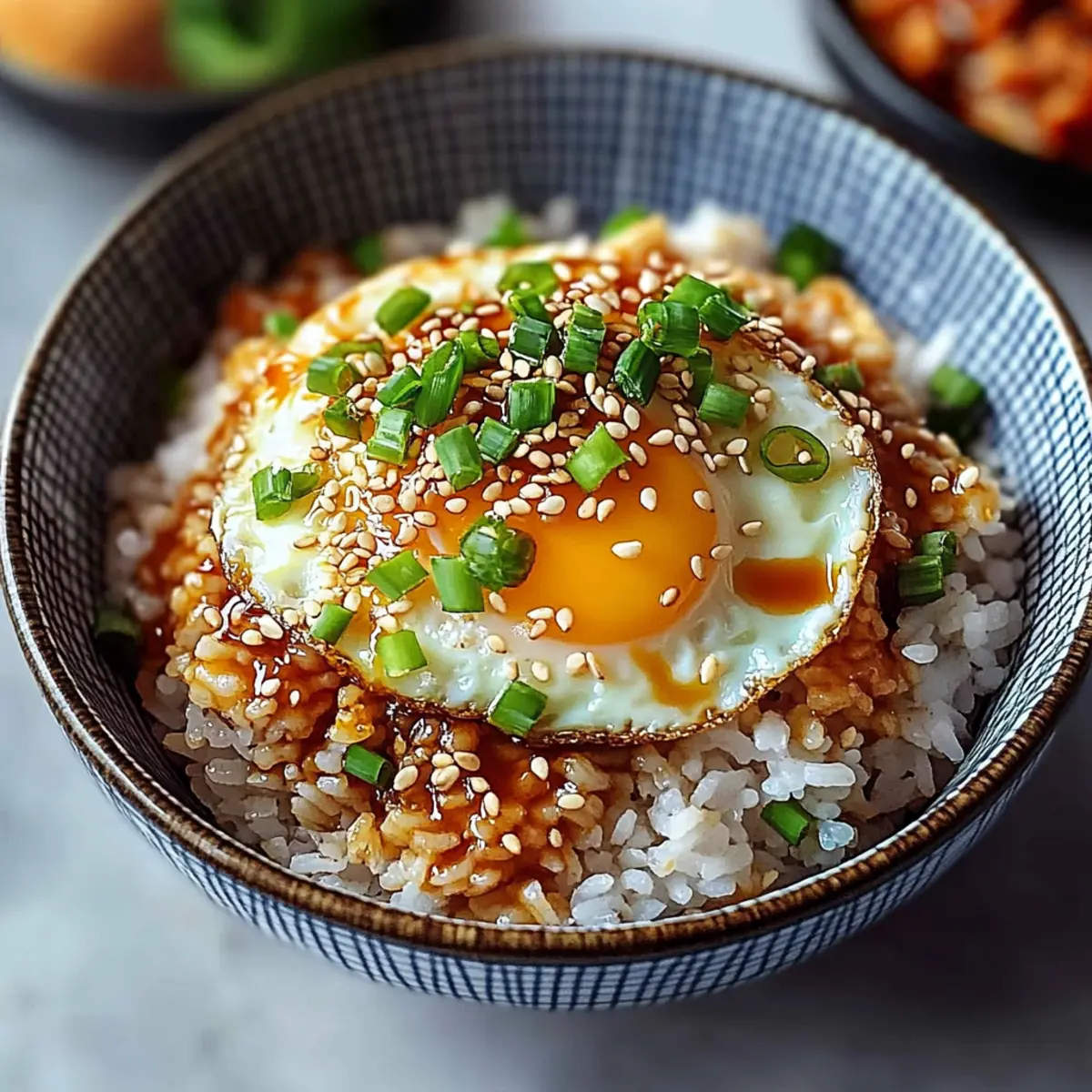
Why is Korean Egg Rice a Must-Try?
Comfort in a bowl! Korean Egg Rice is not only quick and easy to prepare, but it also warms the soul with its rich, savory flavors. Customizable toppings let you tailor each serving to your taste preferences, whether you prefer spicy kimchi or fresh green onions. Perfect for busy evenings, this dish comes together in a flash—ideal if you’re craving something satisfying without the fast food run. Nutritious options abound as you can pack it with vegetables or proteins to enhance your meal, making it a family favorite. Whether as a solo lunch or a crowd-pleasing dinner, you’ll love how this comforting dish fits perfectly into your busy life! For more delightful quick meals, check out Korean Pot Roast or Onion Chicken Rice.
Korean Egg Rice Ingredients
For the Rice
• Cooked Short-Grain Rice – Ideally day-old for the best texture; feel free to substitute with your favorite rice variety.
• Sesame Oil – Essential for adding nuttiness and flavor; use it in both the rice mix and sauce.
• Salt – Enhances the overall taste; adjust according to your dietary needs.
For the Egg Mixture
• Large Eggs – Provide richness and creaminess when cooked; fresh eggs work best.
• Milk or Water – Helps fluff the egg mixture for light and airy results.
• Ground White Pepper (optional) – Adds a hint of subtle heat; omit if you prefer less spice.
• Black Pepper – Extra seasoning for the eggs; optional based on your taste preference.
• Vegetable Oil – Necessary for cooking eggs; can use neutral oils like canola or sunflower.
For the Sauce
• Soy Sauce – Delivers that umami flavor we crave; it’s a key component of the savory sauce.
• Rice Vinegar – Adds a touch of acidity to balance the dish beautifully.
• Sugar – A little sweetness to soften the sauce’s saltiness and acidity.
• Gochugaru (Korean Chili Flakes) – Provides heat; adjust to your liking or omit for a milder flavor.
• Minced Garlic – Fresh garlic enhances the sauce’s depth of flavor; a must-try!
• Sesame Seeds – Adds a lovely crunch and visual appeal to your dish.
For Toppings
• Kimchi (chopped) – A traditional spicy, fermented side that enhances the overall dish.
• Roasted Seaweed Flakes (gim) – Introduces texture and umami; optional but highly recommended.
• Green Onions (thinly sliced) – Adds freshness and a nice crunch; substitute with chives if needed.
• Fried Egg (additional) – A luxurious topping for extra creaminess and richness.
• Spicy Mayonnaise (Gochujang Mayo) – For those who like an extra burst of flavor to drizzle on top!
Dive into this comforting bowl of Korean Egg Rice (Gyeran Bap) and let your taste buds experience the joy of homemade goodness!
Step‑by‑Step Instructions for Korean Egg Rice
Step 1: Prepare the Rice
Begin by fluffing about 2 cups of warm, preferably day-old short-grain rice in a large bowl. Drizzle 1 tablespoon of sesame oil over the rice and sprinkle in a pinch of salt, along with optional ground white pepper if desired. Mix gently using a fork until the rice is evenly coated and keeps warm. The rice should appear light and fluffy, setting the perfect base for your Korean Egg Rice.
Step 2: Make the Egg Mixture
In a mixing bowl, whisk together 4 large eggs, 2 tablespoons of milk or water, and a pinch of salt. Beat the mixture until it becomes frothy, which takes about 1-2 minutes. This helps achieve a light and fluffy texture. The eggs should be well combined and slightly bubbly before moving on to the next step in creating your Korean Egg Rice.
Step 3: Cook the Eggs
Heat a non-stick skillet over medium heat and add 1 tablespoon of vegetable oil. Once the oil is hot but not smoking, pour in the egg mixture. Allow it to cook undisturbed for about 30 seconds, then gently stir with a spatula, pushing cooked edges toward the center. Continue to stir intermittently for another 2-3 minutes until the eggs are mostly set but still slightly moist, providing the perfect creamy texture for your Korean Egg Rice.
Step 4: Remove from Heat
Once the scrambled eggs are cooked to your liking, turn off the heat and break them into bite-sized pieces with your spatula. The eggs should look soft and fluffy without being overcooked. Set the eggs aside for a moment, allowing the residual heat to finish cooking them gently. This ensures they remain creamy and delicious when served atop the rice.
Step 5: Prepare the Sauce
In a small bowl, whisk together 2 tablespoons of soy sauce, 1 teaspoon of sesame oil, 1 teaspoon of rice vinegar, 1 teaspoon of sugar, and ½ teaspoon of gochugaru along with 1 clove of minced garlic. Stir until the sugar dissolves, and the ingredients blend smoothly, creating a savory and slightly tangy sauce. Taste the sauce and adjust the flavors according to your preference before assembling your Korean Egg Rice.
Step 6: Assemble the Dish
Divide the warm, fluffy rice among serving bowls, creating a cozy nest for your ingredients. Top each bowl with the scrambled eggs, then drizzle generously with the prepared sauce. Finally, add any desired toppings such as chopped kimchi, roasted seaweed flakes, and thinly sliced green onions for added flavor and visual appeal. The combination of textures in this Korean Egg Rice will be inviting.
Step 7: Serve
Serve the Korean Egg Rice immediately, ensuring it remains warm to appreciate the dish’s richness. Gather around the table with your loved ones, and enjoy each comforting bite. The flavorful blend of eggs, rice, and savory sauce makes for a satisfying and heartfelt meal perfect for busy evenings or cozy weekends!
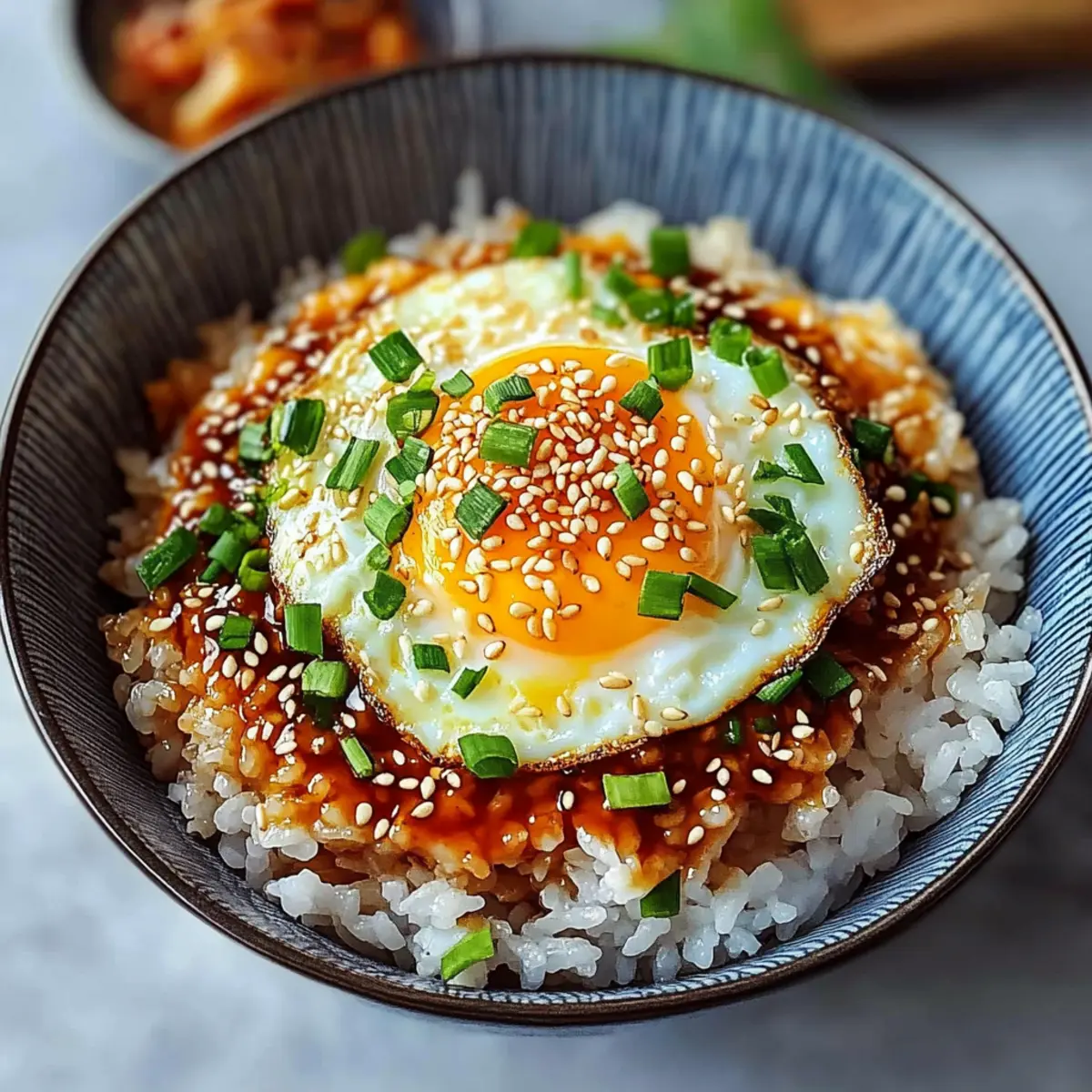
What to Serve with Korean Egg Rice?
Looking to elevate your Korean Egg Rice experience? Discover delightful sides and drinks that complement this comforting dish beautifully.
-
Kimchi: A traditional Korean side dish, its spicy and tangy flavor balances the creamy rice perfectly. Each bite enhances the overall experience, making it feel authentically Korean.
-
Steamed Broccoli: This vibrant green vegetable adds a fresh, crunchy texture alongside the rich egg rice. The slight bitterness of broccoli makes a pleasant contrast to the dish’s savory flavors.
-
Fresh Cucumber Salad: Crisp, refreshing, and light, a cucumber salad adds a cooling effect to the warm bowl of Korean Egg Rice, creating an appealing contrast of temperatures.
-
Roasted Seaweed Snacks: For an added crunch, these seaweed snacks introduce an umami richness that pairs wonderfully with the savory elements of the rice.
-
Sesame Green Beans: Seared to perfection and tossed with sesame oil, these green beans offer both flavor and nutritional benefits, enhancing the dish’s overall health balance.
-
Miso Soup: Warm and soothing, a bowl of miso soup complements the comfort of Korean Egg Rice. The flavors harmonize effortlessly, making for a cozy meal.
-
Iced Green Tea: This light, refreshing drink is ideal alongside your meal, cleansing your palate and providing a crisp contrast to the richer elements of Korean Egg Rice.
-
Chocolate Banana Mochi: End on a sweet note! This chewy treat serves as a perfect dessert, offering a delightful contrast to the savory rice dish and leaving you feeling satisfied.
Make Ahead Options
These Korean Egg Rice bowls are perfect for meal prep enthusiasts! You can prepare the rice and sauce up to 24 hours in advance to save time during busy weeknights. To do this, fluff 2 cups of cooked short-grain rice with sesame oil and salt, then let it cool before storing it in an airtight container in the refrigerator. The sauce can be whisked together and stored in the same way, allowing the flavors to meld beautifully. When you’re ready to serve, just reheat the rice in the microwave or on the stovetop and quickly scramble the eggs fresh. This way, you’ll enjoy delicious, comforting Korean Egg Rice just as satisfying as when made from scratch!
Expert Tips for Korean Egg Rice
-
Rice Choice: Use day-old short-grain rice for the best texture, but if it’s fresh, spread it out and cool briefly to avoid clumping.
-
Egg Cook Time: Avoid overcooking the eggs to maintain their creaminess. Remove from heat when mostly set for a fluffy finish.
-
Sauce Balance: Adjust the sauce ingredients according to your taste; a little more sugar can soften the saltiness of the soy sauce in your Korean Egg Rice.
-
Topping Variations: Feel free to mix in your favorite toppings! Vegetables, proteins, or even nuts can add flavor and nutrition to your dish.
-
Perfect Serving: Let your Korean Egg Rice rest for a minute after assembly before serving for deeper flavor integration. Enjoy while warm!
Korean Egg Rice Variations & Substitutions
Feel free to play around with your Korean Egg Rice to discover your perfect bowl of comfort! With a few simple swaps and additions, you can enhance the flavors and make this dish uniquely yours.
-
Heat Level: Add more gochugaru or a drizzle of hot sauce for extra spiciness. Kick things up a notch if you enjoy a little fire in your dish!
-
Protein Boost: Incorporate cooked ground beef, shredded chicken, or tofu for a heartier meal that will keep you feeling satisfied longer. Adding protein not only makes it a complete dish but boosts the flavor too.
-
Vegetable Twist: Mix in chopped bell peppers, spinach, or sautéed mushrooms either into the egg mixture or as toppings. They bring color, nutrition, and texture to your bowl!
-
Rice Substitution: Swap out short-grain rice for brown rice or quinoa for a healthier twist without sacrificing flavor. Each option brings its own unique texture and taste.
-
Vegan Option: Use a plant-based egg substitute for the eggs and ensure the soy sauce and kimchi are vegan-friendly. You can create a delicious vegan bowl by sticking to wholesome ingredients without missing out on a comforting meal!
-
Creamy Add-in: Try stirring in a little cream cheese or a dollop of sour cream into your egg mixture for added richness and creaminess. This twist will take your dish to another level of indulgence.
-
Herb Infusion: Sprinkle in fresh herbs like cilantro or parsley on top for a refreshing burst of flavor. Freshness can elevate an already comforting dish!
-
Umami Upgrade: Boost the sauce with a few drops of fish sauce or Worcestershire sauce for an extra umami kick. These little additions can make your dish truly memorable!
Feeling adventurous? Pair your bowl of Korean Egg Rice with vibrant sides, like a fresh cucumber salad, or spicy kimchi will enhance the experience. Enjoy your cooking journey, and if you’re looking for more delightful dishes, check out Voodoo Egg Rolls for a fun twist on a classic favorite!
How to Store and Freeze Korean Egg Rice
-
Fridge: Store leftover Korean Egg Rice in an airtight container for up to 2 days. Make sure to let it cool to room temperature before sealing to avoid condensation.
-
Freezer: You can freeze the rice and egg mixture for up to 1 month. Portion it out in freezer-safe containers, and let it thaw in the fridge overnight before reheating.
-
Reheating: To reheat, gently warm in a skillet over low heat or in the microwave. Add a splash of water or broth to keep it moist while reheating to preserve the dish’s creamy texture.
-
Serving Tip: If the texture thickens upon reheating, simply mix in a little extra milk or water to bring back that comforting creaminess you love!
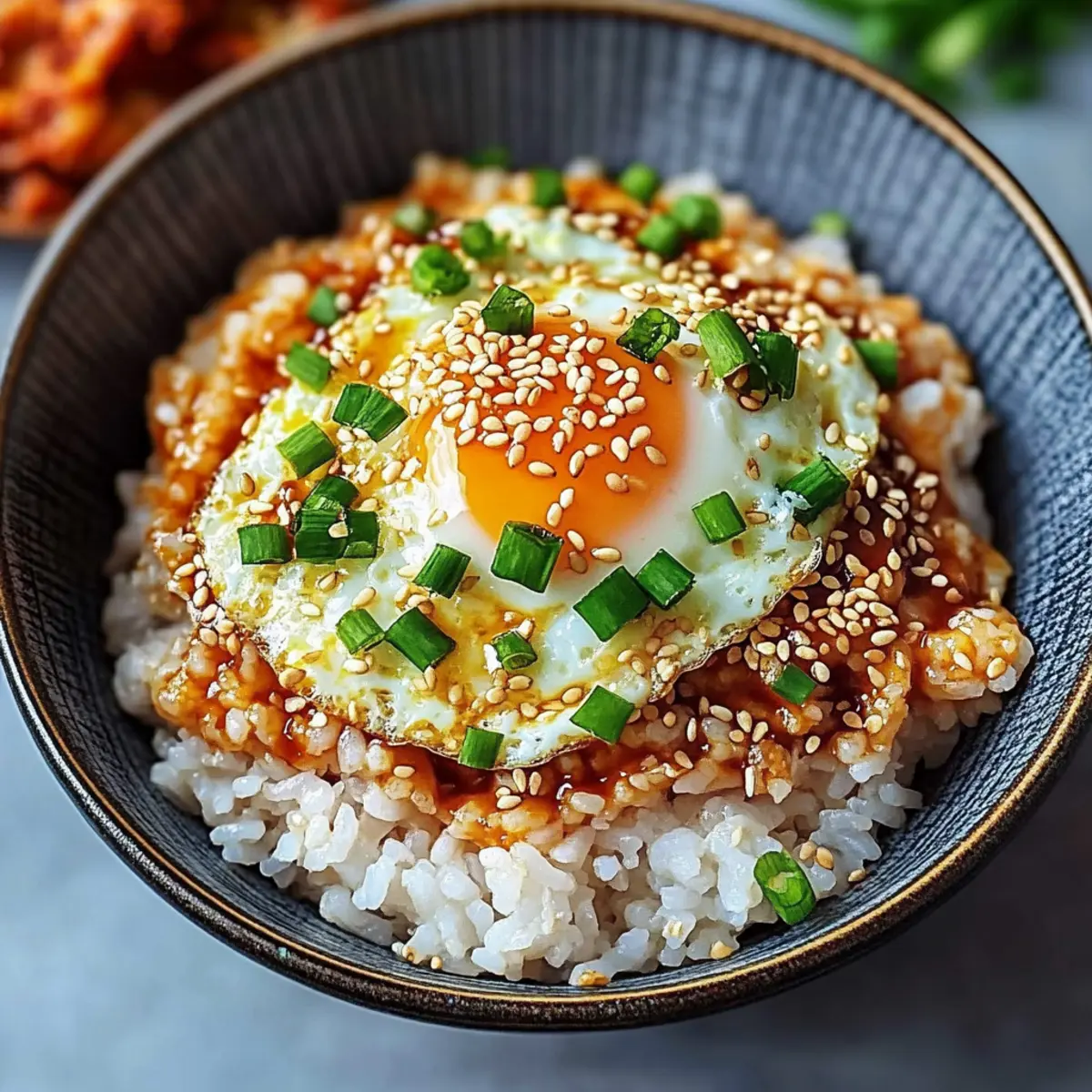
Korean Egg Rice (Gyeran Bap) Recipe FAQs
What type of rice is best for Korean Egg Rice?
For the perfect Korean Egg Rice, I recommend using cooked short-grain rice, preferably day-old for the ideal texture. Day-old rice is drier and less sticky, making it easier to fluff. If you don’t have day-old rice, you can use fresh rice; just spread it out on a tray to cool quickly and avoid clumping.
How should I store leftover Korean Egg Rice?
You can store leftover Korean Egg Rice in an airtight container in the fridge for up to 2 days. Be sure to let it cool to room temperature before sealing to prevent moisture buildup, which can lead to sogginess. Reheat gently on the stove or microwave to enjoy it again.
Can I freeze Korean Egg Rice?
Absolutely! You can freeze the rice and egg mixture for up to 1 month. Portion the rice and egg into freezer-safe containers. When you’re ready to eat, thaw it overnight in the fridge and reheat gently on low heat, adding a splash of water or broth to maintain creaminess.
What if my eggs turn out too dry when cooking?
If your eggs become too dry, consider cooking them over lower heat and stirring more gently, allowing them to remain slightly runny when you remove them from the heat. The residual heat will finish cooking them without compromising the creamy texture you desire. Remember, a little bit of moisture goes a long way in keeping them fluffy.
Are there any dietary considerations for Korean Egg Rice?
Yes! For those with egg allergies, you can try using a plant-based egg substitute or skip the eggs entirely, adding more vegetables or proteins as alternatives. Additionally, ensure your soy sauce is gluten-free if you’re sensitive to gluten. Feel free to customize toppings based on dietary preferences, making this dish suitable for most diets.
How customizable is the topping for Korean Egg Rice?
The toppings for Korean Egg Rice are highly customizable! You can mix in your favorite vegetables, proteins like tofu or chicken, or traditional garnishes like kimchi and green onions for added flavor. The more the merrier—experiment with different combinations to find your perfect bowl!
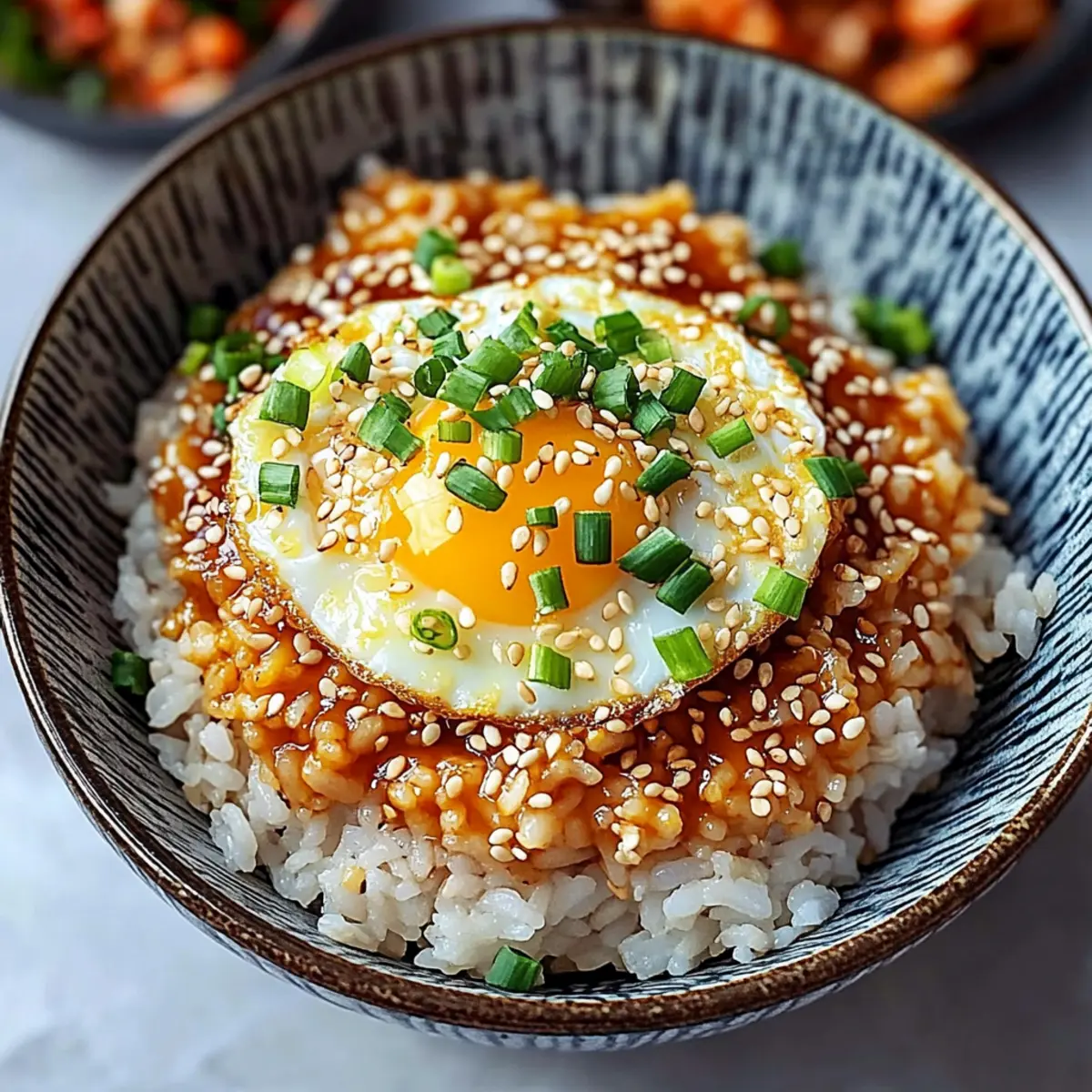
Korean Egg Rice: Your Quick Comfort Food Fix at Home
Ingredients
Equipment
Method
- Fluff the warm cooked rice and mix with sesame oil and salt.
- Whisk together eggs, milk or water, and a pinch of salt.
- Heat vegetable oil and cook the egg mixture until fluffy.
- Break the cooked eggs into bite-sized pieces.
- Mix sauce ingredients until well combined.
- Assemble by topping rice with eggs and sauce, add toppings.
- Serve warm and enjoy!
Leave a Reply