
Waking up to the aroma of Mediterranean Baked Feta Eggs is like getting a warm, sunlit hug from the kitchen. This delightful dish features creamy, salty feta melting beautifully beneath perfectly baked eggs, surrounded by ripe cherry tomatoes and vibrant greens. Not only does it come together in just a pinch of time, but it also offers a nourishing start to your day that’s far healthier than anything from a fast-food drive-thru. Whether it’s a leisurely weekend brunch or a quick weekday breakfast, this recipe is the perfect blend of comfort and freshness. Ready to transform your mornings? Let’s dive into creating this taste of the Mediterranean!
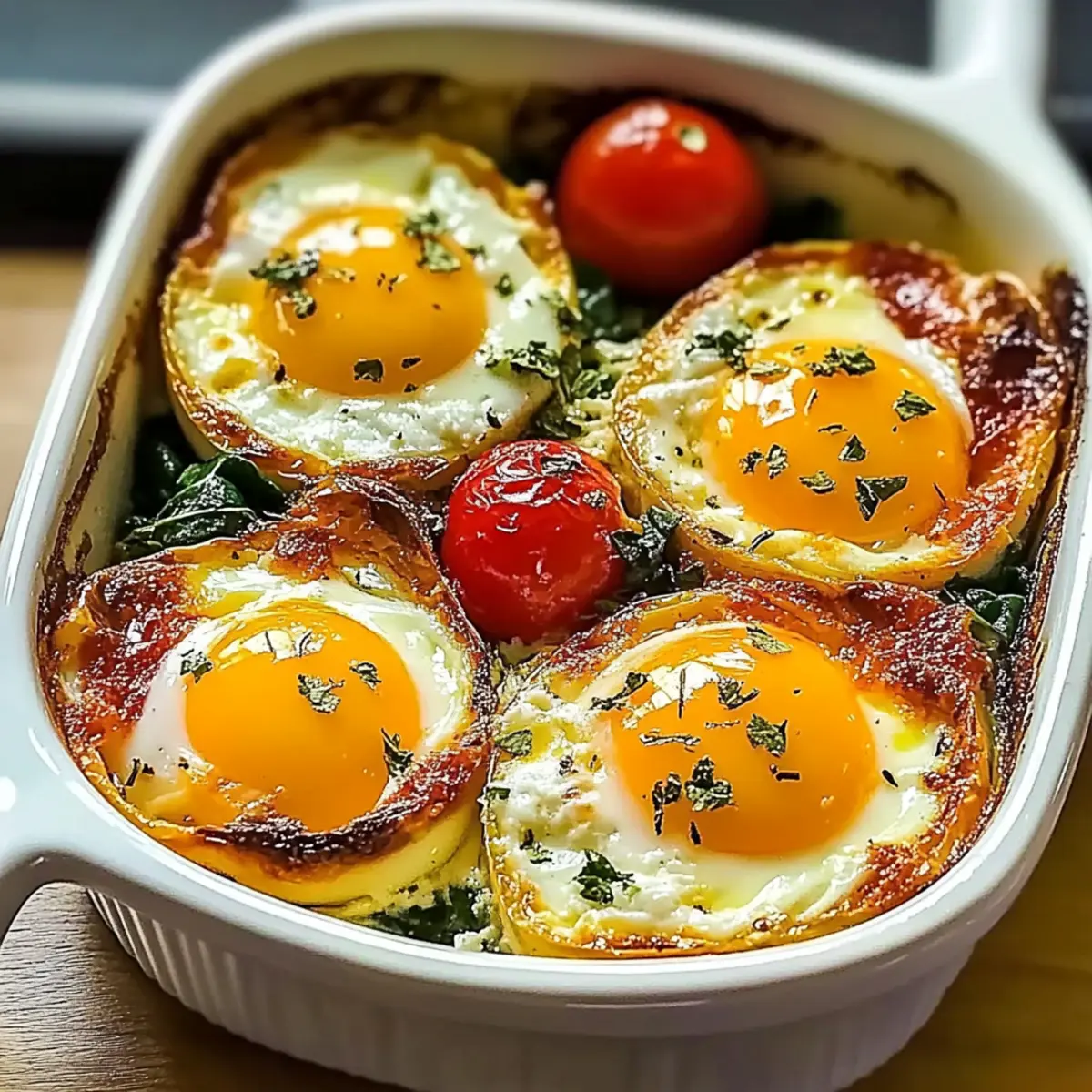
Why Choose Mediterranean Baked Feta Eggs?
Flavorful, This dish sings with the vibrant notes of Mediterranean cuisine, combining creamy feta with juicy tomatoes and fresh greens.
Quick Preparation, In just 30 minutes, you can whip up a meal that’s both satisfying and wholesome—much better than your typical fast food breakfast!
Nutritious Option, Packed with protein and fiber, it’s a great way to fuel your day and keep your energy levels high.
Versatile Ingredients, Feel free to swap in ricotta or goat cheese, and mix in veggies like bell peppers for added flavor and nutrition.
Perfect for Any Meal, Whether it’s a cozy brunch, a quick weekday breakfast, or a tasty dinner, these baked feta eggs have you covered.
Try pairing it with a fresh spinach and kale salad or even warm pita bread to create a complete Mediterranean experience!
Mediterranean Baked Feta Eggs Ingredients
For the Base
- Feta Cheese (1/2 cup) – Adds creaminess and a salty tang; opt for high-quality block feta in brine for the best melting and flavor.
- Large Eggs (4) – Provides protein and richness; fresh eggs yield the best taste and texture.
- Cherry Tomatoes (1 cup, halved) – Injects sweetness and flavor; any small tomatoes work wonderfully.
- Fresh Spinach or Kale (1 cup) – Adds health benefits and color; feel free to substitute with Swiss chard or arugula.
For the Seasoning
- Olive Oil (1 tablespoon) – Enhances flavors; avocado oil or melted butter are good substitutions if desired.
- Salt (1/4 teaspoon) – Balances flavors; adjust according to your taste preference.
- Black Pepper (1/4 teaspoon) – Provides heat; freshly ground black pepper is preferable for the best flavor.
For the Garnish
- Fresh Parsley or Basil (1 tablespoon, chopped) – Adds freshness; other herbs like dill or oregano can also be used.
- Crushed Red Pepper Flakes (1/4 teaspoon, optional) – For an extra kick; omit if you’re sensitive to spice.
Now you’re all set to create your delicious Mediterranean Baked Feta Eggs! Enjoy the vibrant flavors and nourishing ingredients that make this dish a standout breakfast option!
Step‑by‑Step Instructions for Mediterranean Baked Feta Eggs
Step 1: Preheat the Oven
Start by preheating your oven to 375°F (190°C). This temperature ensures that the Mediterranean Baked Feta Eggs cook thoroughly and achieve a delicious, golden finish. While the oven is warming up, gather your ramekins and prepare them for the next steps.
Step 2: Grease the Ramekins
Grease four ramekins with a tablespoon of olive oil to prevent sticking and add extra flavor. Use a paper towel or brush to evenly coat the inside of each ramekin. This ensures the creamy feta and baked eggs slide out easily for serving without losing any delicious components.
Step 3: Prepare the Feta
Crumbly yet rich, fresh feta is a star in this dish. Evenly crumbled feta should fill the bottom of each greased ramekin. Aim for a generous layer, allowing the cheese to melt beautifully as the eggs bake, creating a creamy texture that enhances the Mediterranean Baked Feta Eggs.
Step 4: Add the Greens and Tomatoes
Next, layer a handful of fresh spinach or kale into each ramekin, followed by the halved cherry tomatoes. The vibrant colors will brighten the dish, and the vegetables not only add nutrition but also provide a lovely contrast to the melted feta, enhancing the flavor profile of the Mediterranean Baked Feta Eggs.
Step 5: Season the Mixture
Drizzle a little olive oil over the veggies, then sprinkle with salt and freshly cracked black pepper to enhance the flavors. This seasoning blend balances the richness of the feta, ensuring your Mediterranean Baked Feta Eggs are perfectly seasoned. A light toss ensures even distribution of the seasoning.
Step 6: Crack in the Eggs
Carefully crack one large egg into each ramekin, taking care to keep the yolk intact. Nestling the egg atop the prepared vegetables creates a beautiful presentation and allows for a delicious baked texture. The yolk will flow over the feta and vegetables as it cooks, creating a delectable combination within the Mediterranean Baked Feta Eggs.
Step 7: Add Final Seasoning
Finish off by adding a final layer of freshly cracked black pepper on top of each egg. If you like a little heat, sprinkle some crushed red pepper flakes over the top as well. This step ensures that each Mediterranean Baked Feta Egg has a delightful bite, enhancing its scrumptious flavors.
Step 8: Assemble for Baking
Place the ramekins in a shallow baking dish and pour hot water into the dish until it reaches halfway up the sides of the ramekins. This water bath will help regulate the baking temperature, leading to evenly cooked eggs and beautifully consistent textures in your Mediterranean Baked Feta Eggs.
Step 9: Bake to Perfection
Transfer the baking dish to the preheated oven and bake for 12–16 minutes. Watch closely for the egg whites to set while the yolks remain slightly jiggly, revealing your preferred doneness. This careful baking method is key to achieving the ideal creamy center in your Mediterranean Baked Feta Eggs.
Step 10: Cool and Serve
Once baked to perfection, remove the ramekins from the oven and allow them to cool slightly. Then, garnish with chopped fresh parsley or basil before serving. This final touch not only adds freshness but also enhances the vibrant presentation of your Mediterranean Baked Feta Eggs, inviting everyone to enjoy this delicious meal.
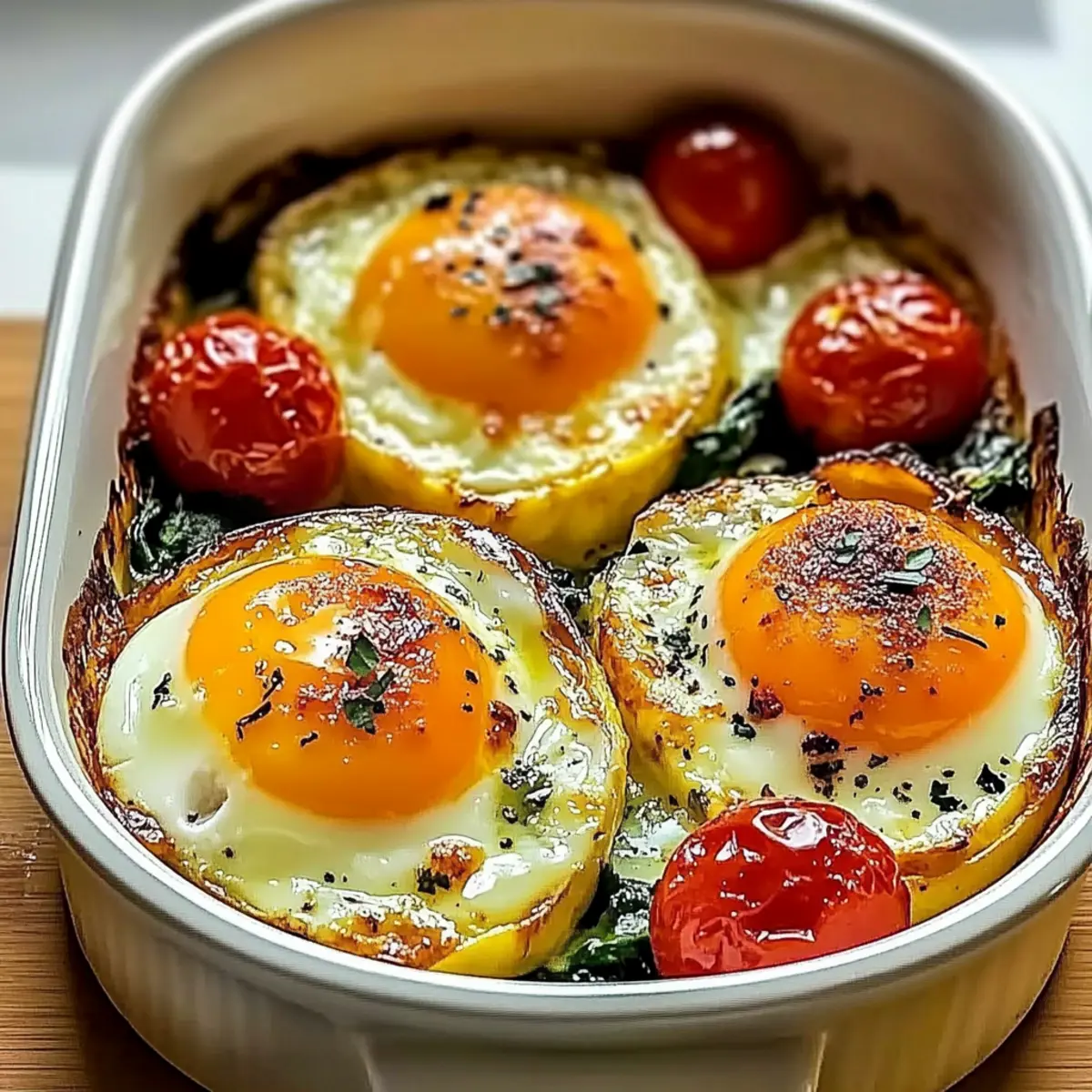
Storage Tips for Mediterranean Baked Feta Eggs
Fridge: Store leftover Mediterranean Baked Feta Eggs in an airtight container in the fridge for up to 2 days. Cover tightly to maintain flavor and freshness.
Freezer: While it’s best enjoyed fresh, you can freeze baked feta eggs. Wrap each ramekin tightly in plastic wrap and foil, storing for up to 2 months.
Reheating: To reheat, thaw overnight in the fridge, then place in a preheated oven at 300°F (150°C) for about 10 minutes until warmed through. This helps maintain the creamy texture without overcooking the eggs.
Serving Tip: For best results, serve warm straight from the oven, garnished with fresh herbs to revive the vibrant flavors of the Mediterranean Baked Feta Eggs.
What to Serve with Mediterranean Baked Feta Eggs?
Enhance your Mediterranean morning experience with delightful pairings that are sure to tantalize your taste buds.
-
Crusty Bread: Perfect for scooping up the creamy feta and runny yolks, adding a satisfying crunch to your meal.
-
Simple Green Salad: A fresh mix of greens and a light vinaigrette complements the richness of the eggs and feta beautifully.
-
Roasted Potatoes: The crispy texture and heartiness of roasted potatoes make a flavorful contrast to the dish’s creamy components.
-
Olive Tapenade: A spread of zesty olives pulls in more Mediterranean flavors, enhancing each bite with its briny goodness.
-
Sliced Avocado: Creamy avocado adds a smooth, buttery texture and healthy fats, making your meal even more nourishing.
-
Herbal Tea or Coffee: A warm beverage helps bring out the robust flavors of the eggs, providing a calming start to your day.
For a delightful touch of sweetness, consider pairing with a light fruit salad or yogurt topped with honey—balancing the savory richness of Mediterranean Baked Feta Eggs with a refreshing finish!
Mediterranean Baked Feta Eggs Variations
Feel free to explore these exciting twists to elevate your Mediterranean Baked Feta Eggs!
-
Cheese Swap: Try swapping feta for ricotta or goat cheese to introduce creaminess with different flavor profiles. Each cheese brings a unique character to the dish, crafting a delightful experience with every bite.
-
Veggie Boost: Add bell peppers or zucchini for an extra nutritional punch. By incorporating these veggies, you not only enhance flavor but also visually enrich the dish with vibrant colors.
-
Heat it Up: Sprinkle in cayenne pepper or chili flakes for a spicy kick. If you love a touch of heat, adjusting this can turn up the flavor dial!
-
Fresh Herb Variations: Experiment with using dill or oregano instead of parsley or basil. These herbs will infuse a fresh, aromatic essence that complements the Mediterranean flavors beautifully.
-
Whole Grain Goodness: Serve over quinoa or farro for a fiber boost. Layering your baked eggs over these grains will create a heartier meal that fills you up with delightful textures.
-
Mediterranean Spices: Stir in za’atar or smoked paprika into the vegetable mix for an extra burst of flavor. These spices can transform your dish into a fragrant journey through the Mediterranean!
-
Make it Creamy: Mix in a dollop of Greek yogurt on top before serving for added creaminess and tang. This will create a luxurious mouthfeel that pairs wonderfully with the baked eggs.
-
Perfect Pairings: For a complete experience, serve alongside a fresh Honeycrisp Apple Feta salad. The crisp apples will contrast perfectly with the rich eggs while providing a refreshing contrast.
No matter how you choose to personalize your Mediterranean Baked Feta Eggs, each variation adds its own delightful charm, inviting you to bask in the flavors of the Mediterranean!
Expert Tips for Mediterranean Baked Feta Eggs
-
Choose Quality Feta: Using high-quality block feta in brine is essential for optimal melting and creaminess; avoid pre-crumbled varieties.
-
Fresh Ingredients: Fresh eggs and seasonal vegetables lead to a more flavorful dish; always opt for the freshest produce available for your Mediterranean Baked Feta Eggs.
-
Watch the Bake Time: Baking too long can cause the eggs to toughen; check them at the 12-minute mark to achieve the perfect texture.
-
Use a Water Bath: This technique promotes even cooking, which helps prevent the eggs from overcooking and ensures a creamy yolk in your Mediterranean Baked Feta Eggs.
-
Customize Seasonings: Feel free to experiment with herbs and spices, such as za’atar or smoked paprika, to find your perfect flavor profile.
Make Ahead Options
These Mediterranean Baked Feta Eggs are perfect for meal prep enthusiasts! You can prepare individual ramekins up to 24 hours in advance by greasing them, crumbling the feta, and layering the spinach and tomatoes. Cover each ramekin tightly with plastic wrap and refrigerate to maintain freshness. When you’re ready to enjoy, simply crack the eggs in, season them, and bake as directed for 12–16 minutes. The water bath method ensures even cooking so the eggs remain deliciously creamy. This make-ahead strategy saves time during those busy mornings and allows you to enjoy a wholesome breakfast without the last-minute rush!
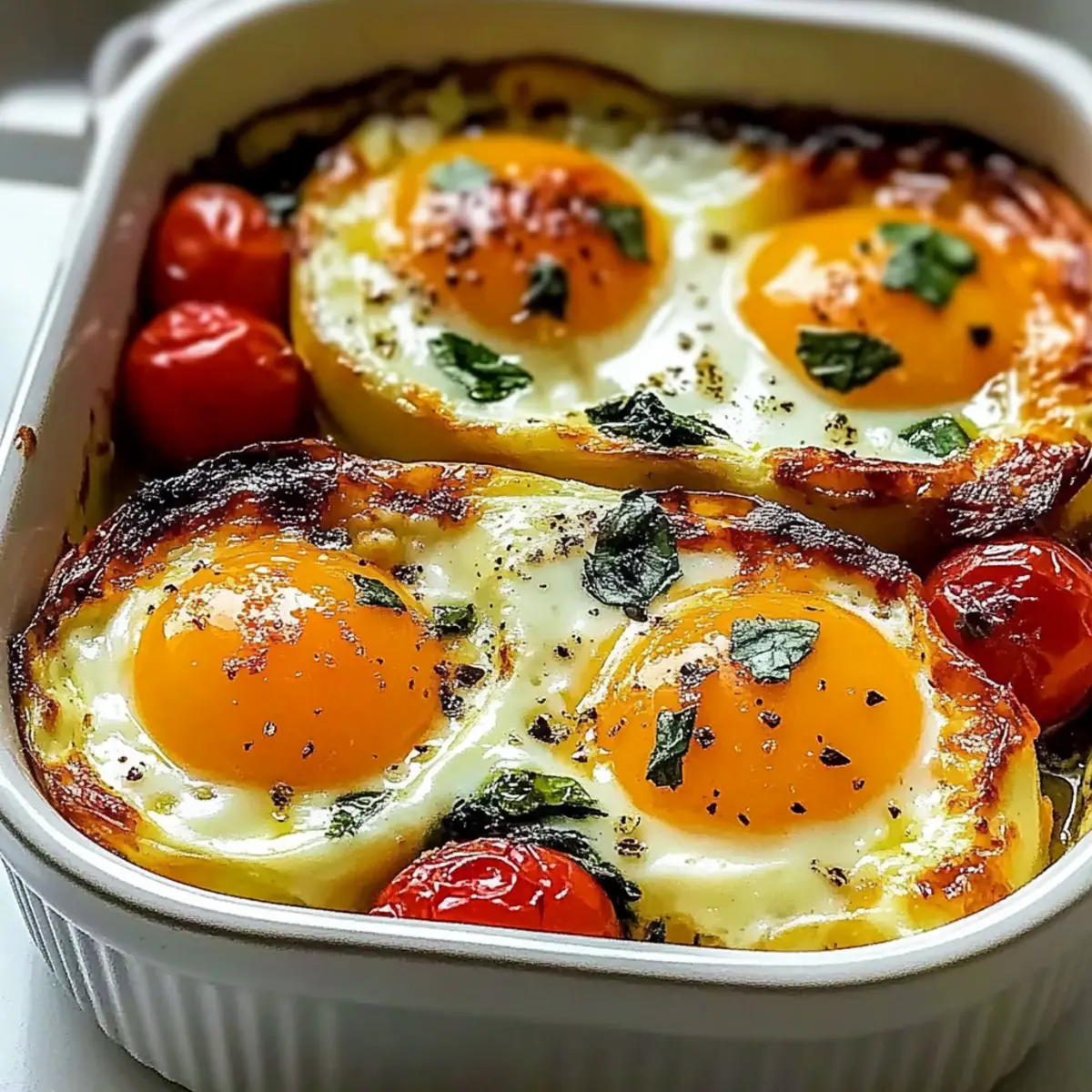
Mediterranean Baked Feta Eggs Recipe FAQs
How do I choose the best feta cheese for this recipe?
Absolutely! For the best results, opt for high-quality block feta cheese that is stored in brine. This type of feta melts beautifully and offers a creamy texture that enhances the Mediterranean Baked Feta Eggs. Avoid pre-crumbled varieties as they lack the necessary moisture and creaminess.
What’s the best way to store leftover Mediterranean Baked Feta Eggs?
You can store leftover Mediterranean Baked Feta Eggs in an airtight container in the fridge for up to 2 days. Be sure to cover it tightly to maintain freshness. If you plan to enjoy it later, just reheat gently in the oven at 300°F (150°C) for about 10 minutes until warmed through.
Can I freeze Mediterranean Baked Feta Eggs?
Yes, you can! To freeze, wrap each ramekin tightly in plastic wrap followed by aluminum foil, and store in the freezer for up to 2 months. When ready to enjoy, thaw them overnight in the fridge before reheating. Be mindful to gently reheat to maintain the creamy texture without overcooking.
What should I do if my eggs are overcooked?
If your eggs turn out overcooked, don’t fret! Next time, keep an eye on the baking time, checking at the 12-minute mark. The goal is to have the whites set while the yolks are slightly jiggly. Make sure to use a water bath during baking, as this helps regulate the temperature and prevents overcooking.
Are Mediterranean Baked Feta Eggs suitable for anyone with dairy allergies?
Unfortunately, this dish contains feta cheese, which is dairy-based, making it unsuitable for those with dairy allergies. However, you can experiment with dairy-free alternatives, such as non-dairy cream cheese or a tofu-based substitute, to create a similar creamy texture.
How can I customize the seasoning for Mediterranean Baked Feta Eggs?
Feel free to make it your own! You can mix in dried herbs like oregano, dill, or even smoked paprika for an extra kick. Throw in some sautéed onions or add different vegetables to elevate the flavor profile of your Mediterranean Baked Feta Eggs even further. The more the merrier!
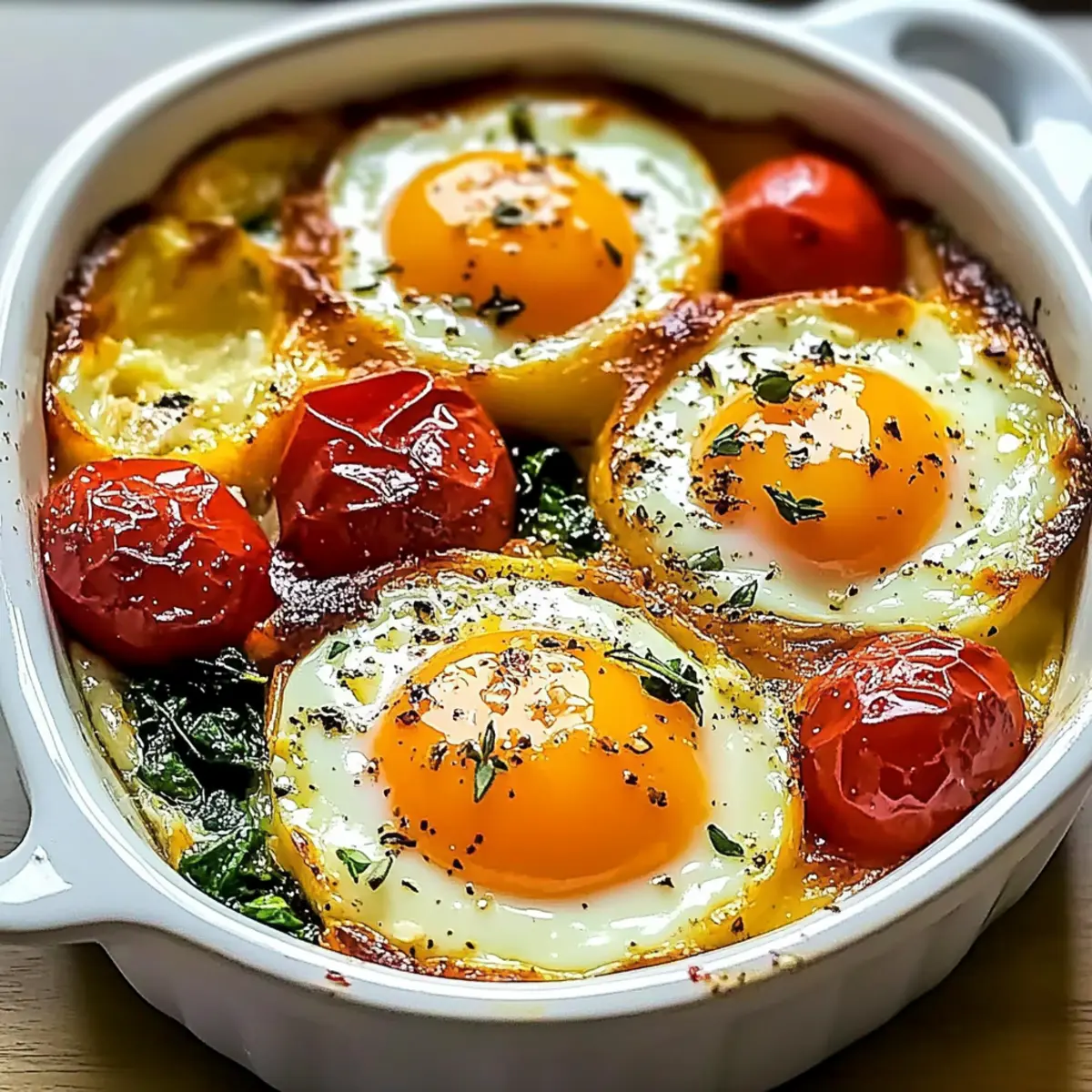
Mediterranean Baked Feta Eggs: A Vibrant Start to Your Day
Ingredients
Equipment
Method
- Preheat your oven to 375°F (190°C).
- Grease four ramekins with a tablespoon of olive oil.
- Evenly crumble feta to fill the bottom of each greased ramekin.
- Layer fresh spinach or kale into each ramekin, followed by the halved cherry tomatoes.
- Drizzle olive oil over the veggies, then sprinkle with salt and black pepper.
- Carefully crack one large egg into each ramekin.
- Add a final layer of black pepper and crushed red pepper flakes on top.
- Place the ramekins in a baking dish and pour hot water into the dish until it reaches halfway up the sides.
- Bake for 12–16 minutes, watching for the egg whites to set.
- Allow to cool slightly before garnishing with chopped parsley or basil.
Leave a Reply