
As the chill of autumn settles in, there’s nothing quite like the allure of a warm bowl of Nova Scotia Seafood Chowder. This dish is a delightful celebration of the ocean’s freshest offerings, marrying tender seafood with buttery vegetables and creamy goodness. With a quick prep time of just 40 minutes, this chowder is a perfect weeknight dinner or an impressive dish to share with friends. Plus, it’s so flexible—you can easily adapt it with dairy-free options or heat things up with a spicy twist! Let’s dive into this comforting recipe that promises to make your kitchen smell heavenly. What’s your favorite seafood to toss into chowder?
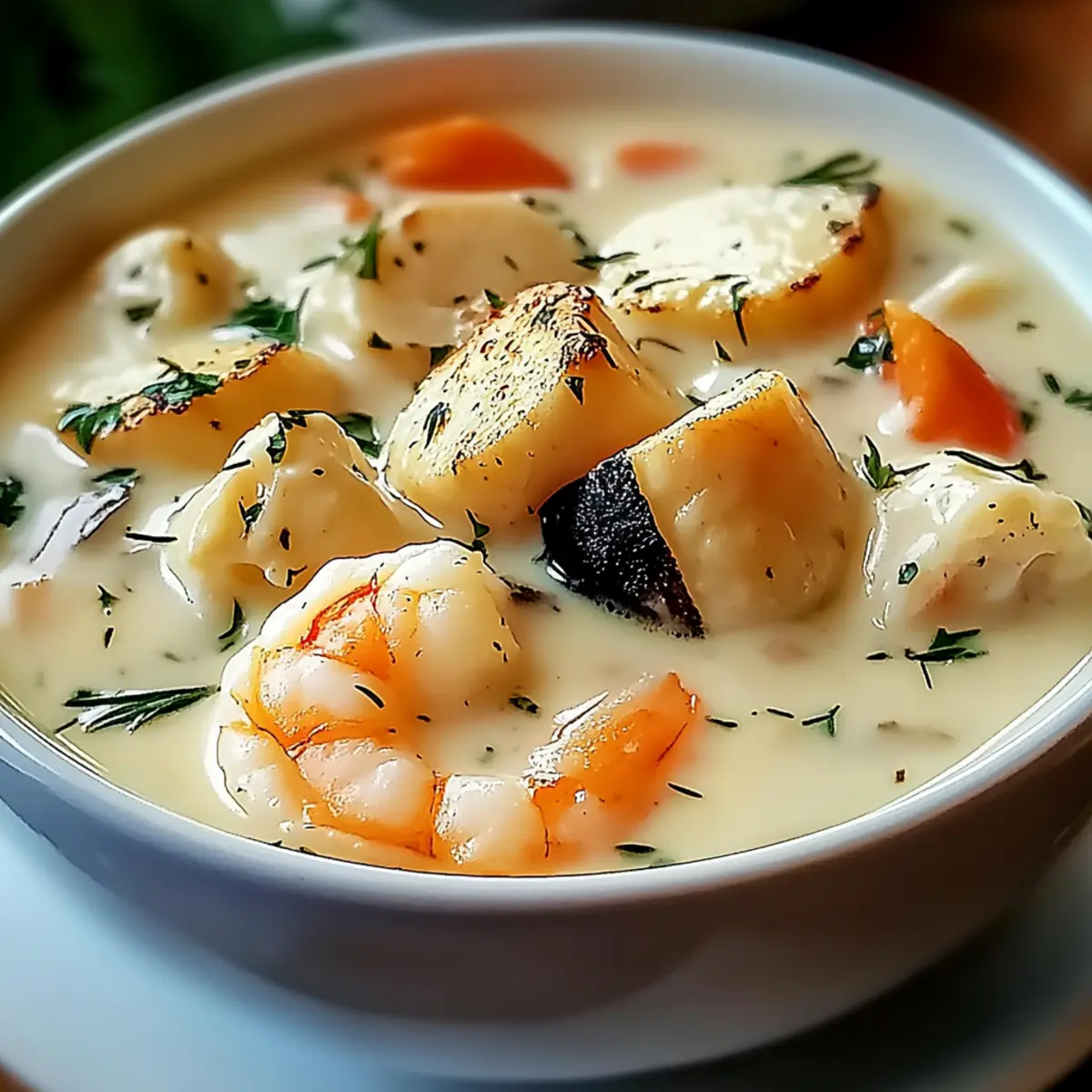
What makes this chowder a must-try?
Comforting Warmth: This Nova Scotia Seafood Chowder wraps you in a cozy embrace, perfect for chilly nights. Quick to Prepare: Whip it up in just 40 minutes, so you can enjoy a homemade meal without the hassle. Flavorful Depth: The rich combination of seafood, cream, and fragrant herbs results in an unforgettable taste. Versatile Recipes: Customize the chowder with dairy-free options or a spicy kick—your choice! Crowd-Pleasing: Whether it’s a family dinner or a gathering with friends, this chowder will impress everyone at the table. Enjoy it with some crusty bread or crackers for a satisfying meal!
Ingredients for Nova Scotia Seafood Chowder
• Dive into a delightful bowl with these essential ingredients!
For the Chowder
- White fish (haddock, cod, or halibut) – Adds texture to the chowder; feel free to substitute with any firm white fish.
- Shrimp – Provides a sweet, succulent bite; can be replaced with sustainable seafood options if desired.
- Scallops – Tender pieces that elevate the flavor profile; substitute with additional shrimp or fish if necessary.
- Mussels or clams (optional) – Introduces a briny flavor; omit if not available.
- Small onion (diced) – Adds sweetness and depth; substitute with shallots for a milder flavor.
- Celery stalks (diced) – Contributes crunch and aromatic flavor; skip if you’re not a fan.
- Medium carrot (diced) – Adds sweetness and color; use any firm root vegetable if unavailable.
- Medium potatoes (peeled & diced) – Thickens the chowder and adds heartiness; substitute with sweet potatoes for a different taste.
- Seafood stock – Backbone of the chowder, delivering rich flavor; homemade or store-bought is fine.
For the Creamy Base
- Heavy cream – Provides luxurious creaminess; substitute with coconut milk for a dairy-free version.
- Whole milk – Balances richness; milk alternatives also work well here.
For Seasoning
- Salt – Enhances flavors in the dish; adjust according to taste preference.
- Black pepper – Provides warmth and depth; use white pepper as a substitute for a milder flavor.
- Thyme – Adds earthiness to the seafood; substitute with dill for a fresh flavor twist.
- Old Bay seasoning (optional) – Classic seasoning to enhance seafood flavor; use seafood seasoning if unavailable.
For Cooking
- Butter – Adds richness when sautéing vegetables; substitute with olive oil for a healthier option.
- Garlic (minced) – Imparts aromatic depth; fresh is best, but garlic powder can work in a pinch.
For Garnish
- Fresh parsley (chopped) – Brightens the dish; use chives or green onions if needed.
- Lemon juice – Brightens and adds freshness; essential for flavor balance and enhances the Nova Scotia seafood chowder.
Step‑by‑Step Instructions for Nova Scotia Seafood Chowder
Step 1: Sauté Vegetables
In a large pot, melt 2 tablespoons of butter over medium heat until bubbly. Add diced onions, celery, and carrots, sautéing for 3-4 minutes until they soften and become fragrant. Stir in the minced garlic and continue to cook for another minute until the garlic turns golden, stirring frequently to prevent burning.
Step 2: Simmer Potatoes
Next, add the peeled and diced potatoes, followed by 4 cups of seafood stock to the pot. Increase the heat to bring the mixture to a gentle boil. Once boiling, reduce the heat to low and let it simmer uncovered for about 10 minutes, or until the potatoes are tender when pierced with a fork.
Step 3: Add Cream Mixture
Lower the heat to a simmer, then pour in 1 cup of heavy cream and 1 cup of whole milk, stirring to combine. Season the chowder with salt, black pepper, and thyme, mixing well. Let it gently warm on low heat for 5 minutes, avoiding boiling to maintain a creamy texture.
Step 4: Cook Seafood
Gently fold in your choice of seafood—cubed white fish, shrimp, and scallops—into the chowder. If using, add mussels or clams now as well. Simmer on low for an additional 5-7 minutes, or until the seafood is cooked through and the mussels have opened, releasing their briny flavor into the chowder.
Step 5: Finish Flavors
Remove the chowder from heat and stir in chopped fresh parsley and a squeeze of lemon juice for brightness. Taste and adjust seasoning as needed by adding more salt or pepper, ensuring a delightful balance in your Nova Scotia Seafood Chowder.
Step 6: Serve Warm
Ladle the rich and creamy chowder into warm bowls, pairing it with crusty bread or crackers for a satisfying meal. Optionally, garnish with additional parsley for a pop of color and freshness, inviting your family and friends to dig in!
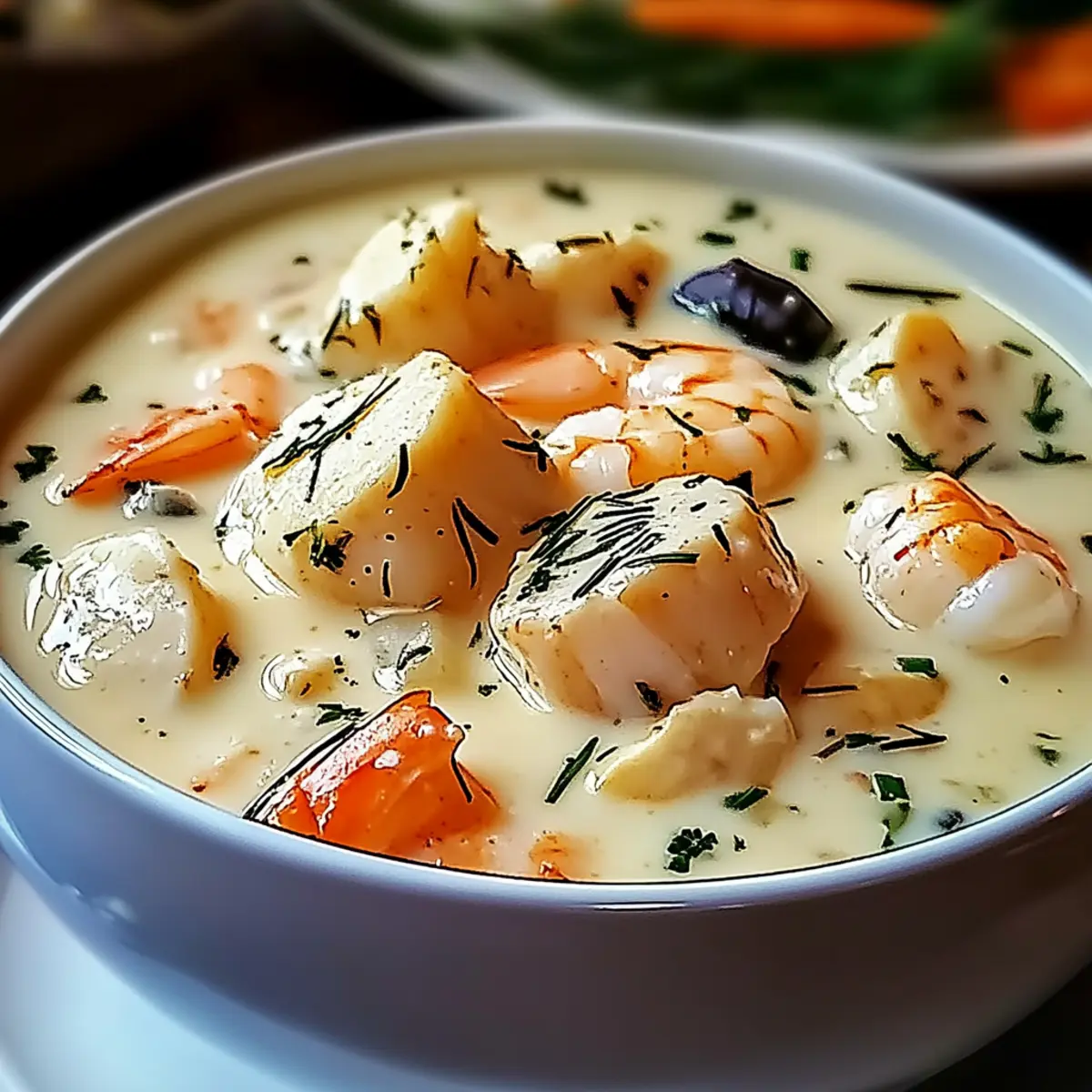
Tips for the Best Nova Scotia Seafood Chowder
-
Fresh Ingredients: Use the freshest seafood you can find for the best flavor. Frozen seafood is acceptable but remember to thaw it properly.
-
Avoid Overcooking: To prevent a rubbery texture, add shrimp and scallops towards the end of the cooking process. They only need a few minutes to cook through!
-
Creamy Consistency: For a lighter chowder, consider replacing part of the heavy cream with additional whole milk or a dairy-free alternative like coconut milk for a smooth finish.
-
Experiment with Vegetables: Don’t hesitate to customize by adding sweet corn or peas for a touch of sweetness, enhancing the overall flavor of your Nova Scotia Seafood Chowder.
-
Seasoning Matters: Adjust your seasoning at the end of cooking. A dash more salt or pepper can elevate the taste and balance the flavors beautifully.
Nova Scotia Seafood Chowder Variations
Feel free to make this nourishing chowder your own by trying out these exciting variations!
- Dairy-Free: Substitute heavy cream and milk with coconut milk for a creamy, non-dairy alternative.
- Spicy Kick: Add diced jalapeños or a few splashes of hot sauce to give your chowder a zesty twist.
- Smoked Flavor: Incorporate smoked fish like salmon for a deeper flavor that adds a touch of sophistication.
- Vegetable Boost: Increase the nutrition and color by mixing in fresh corn, spinach, or diced bell peppers. These will brighten up the dish beautifully!
- Gluten-Free: Ensure all your stocks and seasoning are gluten-free for a safe, delicious version that everyone can enjoy.
- Hearty Texture: Stir in cooked quinoa or barley to add extra heartiness and substance to your chowder.
- Herb Infusion: Swap out thyme for fresh dill or basil to give a fresh, fragrant twist that complements seafood perfectly.
- Sweet Potato Swap: Replace regular potatoes with sweet potatoes for a subtle sweetness that pairs nicely with the savory ingredients.
Embrace the chance to personalize your chowder, and don’t forget to try serving it alongside some crusty bread or crackers for an extra delightful meal!
Storage Tips for Nova Scotia Seafood Chowder
Fridge: Store leftover chowder in an airtight container for up to 3 days, ensuring it remains fresh and flavorful.
Freezer: For longer storage, freeze the chowder in freezer-safe containers for up to 2 months. Allow to cool completely before sealing.
Reheating: Gently reheat on the stove over low heat, stirring occasionally to maintain texture. Avoid boiling to prevent the seafood from becoming rubbery.
Thawing: When ready to enjoy, thaw overnight in the fridge before reheating. This helps the Nova Scotia Seafood Chowder regain its creamy consistency.
Make Ahead Options
Preparing your Nova Scotia Seafood Chowder ahead of time is a game changer for busy weeknights! You can chop the vegetables (onion, celery, carrot, and potatoes) up to 24 hours in advance and store them in an airtight container in the refrigerator to maintain freshness. The seafood can be prepped and kept in the fridge for about 3 days, ensuring you have all the ingredients ready to go. To finish, simply sauté the prepped veggies, add the seafood stock, and incorporate the cream and seafood as you normally would when you’re ready to serve. This way, you’ll enjoy a comforting, homemade chowder just as delicious as if you made it fresh!
What to Serve with Nova Scotia Seafood Chowder
Pair this hearty seafood chowder with delightful sides to create an unforgettable dining experience.
-
Crusty Bread: Perfect for dipping, the texture of fresh bread enhances every bite of the creamy chowder. A warm, oven-baked loaf will soak in the flavors beautifully.
-
Garlic Bread: The buttery, garlicky flavors of this classic side complement the rich seafood, adding a savory crunch that balances the soup’s smoothness. It’s simply irresistible!
-
Garden Salad: Crisp greens tossed with a zesty vinaigrette provide a refreshing contrast. Each bite brightens up the meal while adding a delightful crunch to the creamy chowder.
-
Coleslaw: A tangy, crunchy coleslaw adds a refreshing element that cuts through the richness of the chowder. Its colorful mix of vegetables livens up your plate!
-
Steamed Asparagus: Lightly steamed asparagus spears bring a fresh, vibrant touch to your meal. Their subtle earthiness perfectly complements the savory flavors of the chowder.
-
Lemonade or Iced Tea: A refreshing drink brightens the dining experience. The citrus notes in lemonade or the subtle sweetness of iced tea lift the flavors, completing the cozy meal.
-
Chocolate Pudding: For dessert, a smooth chocolate pudding offers the perfect sweet ending to your meal. Its rich and creamy texture mirrors the chowder, creating a lush, comforting finale.
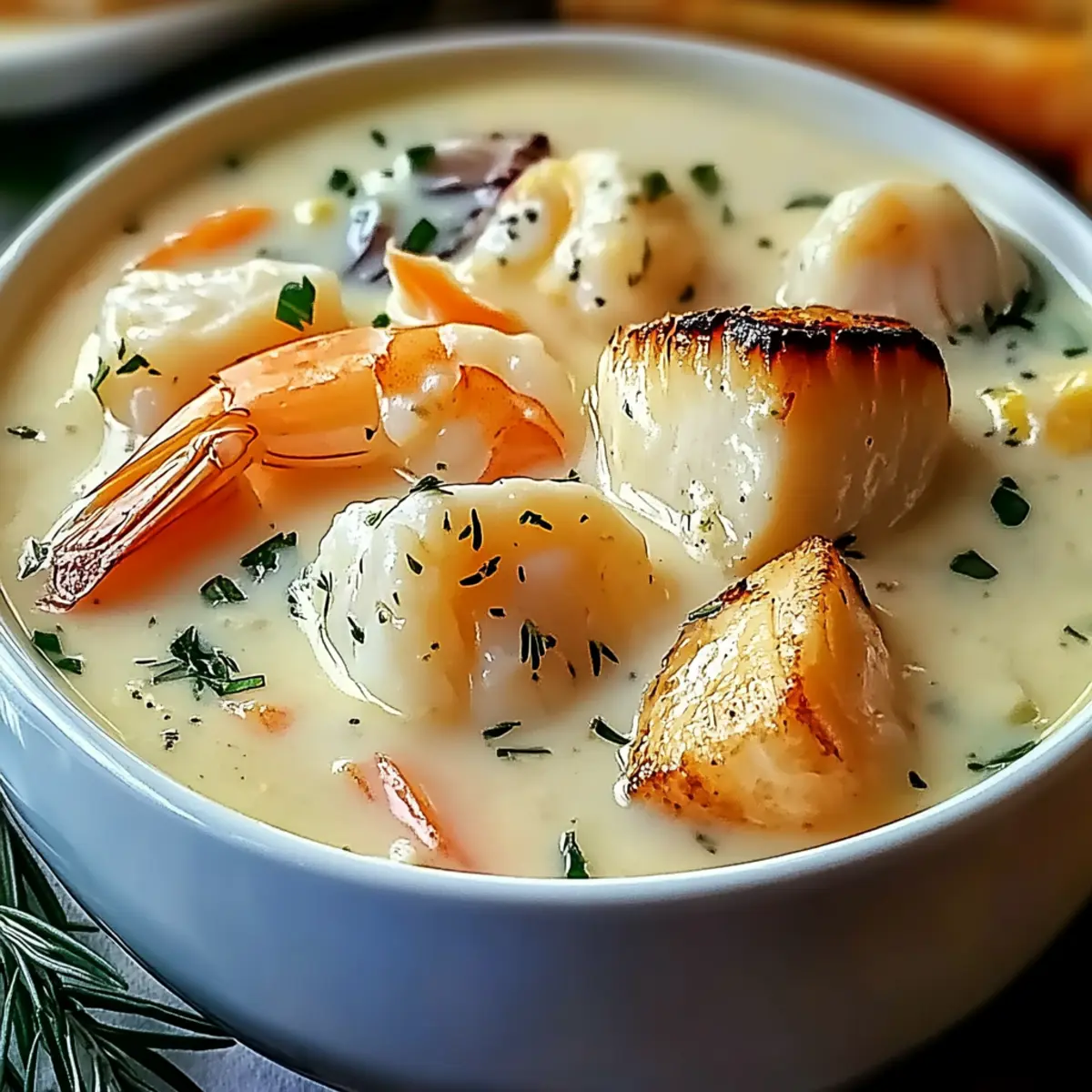
Nova Scotia Seafood Chowder Recipe FAQs
What type of seafood is best for this chowder?
Absolutely! For the best flavor, I recommend using fresh white fish such as haddock, cod, or halibut. Shrimp, scallops, and optional mussels or clams work wonderfully too. If fresh options aren’t available, frozen seafood can be used—just ensure it’s properly thawed before cooking to maintain texture.
How should I store leftover Nova Scotia Seafood Chowder?
You can store leftover chowder in an airtight container in the fridge for up to 3 days. For longer storage, freeze the chowder in freezer-safe containers for up to 2 months. Allow the chowder to cool completely before sealing to keep the flavors intact.
Can I freeze Nova Scotia Seafood Chowder?
Yes! To freeze the chowder, first let it cool down. Transfer it to freezer-safe containers or zip-top bags, ensuring to leave some space at the top for expansion. When ready to enjoy, thaw overnight in the refrigerator and then reheat gently over low heat on the stove, stirring often.
What should I do if the chowder is too thick?
Very good question! If you find your chowder is thicker than you’d like, simply stir in some additional seafood stock or milk until it reaches your desired consistency. This will not only thin it out but enrich the flavor as well—creamy perfection!
Are there any dietary considerations with this recipe?
Certainly! To make this chowder dairy-free, substitute heavy cream and whole milk with coconut milk. For gluten-free options, double-check your seafood stock and seasonings to ensure they don’t contain gluten. Always be mindful of any seafood allergies if serving to guests!
Can I add additional vegetables to this chowder?
The more the merrier! You can definitely customize your chowder by adding vegetables like corn, spinach, or bell peppers. These not only enhance the flavor but also add texture and nutrition, making your Nova Scotia Seafood Chowder even heartier!
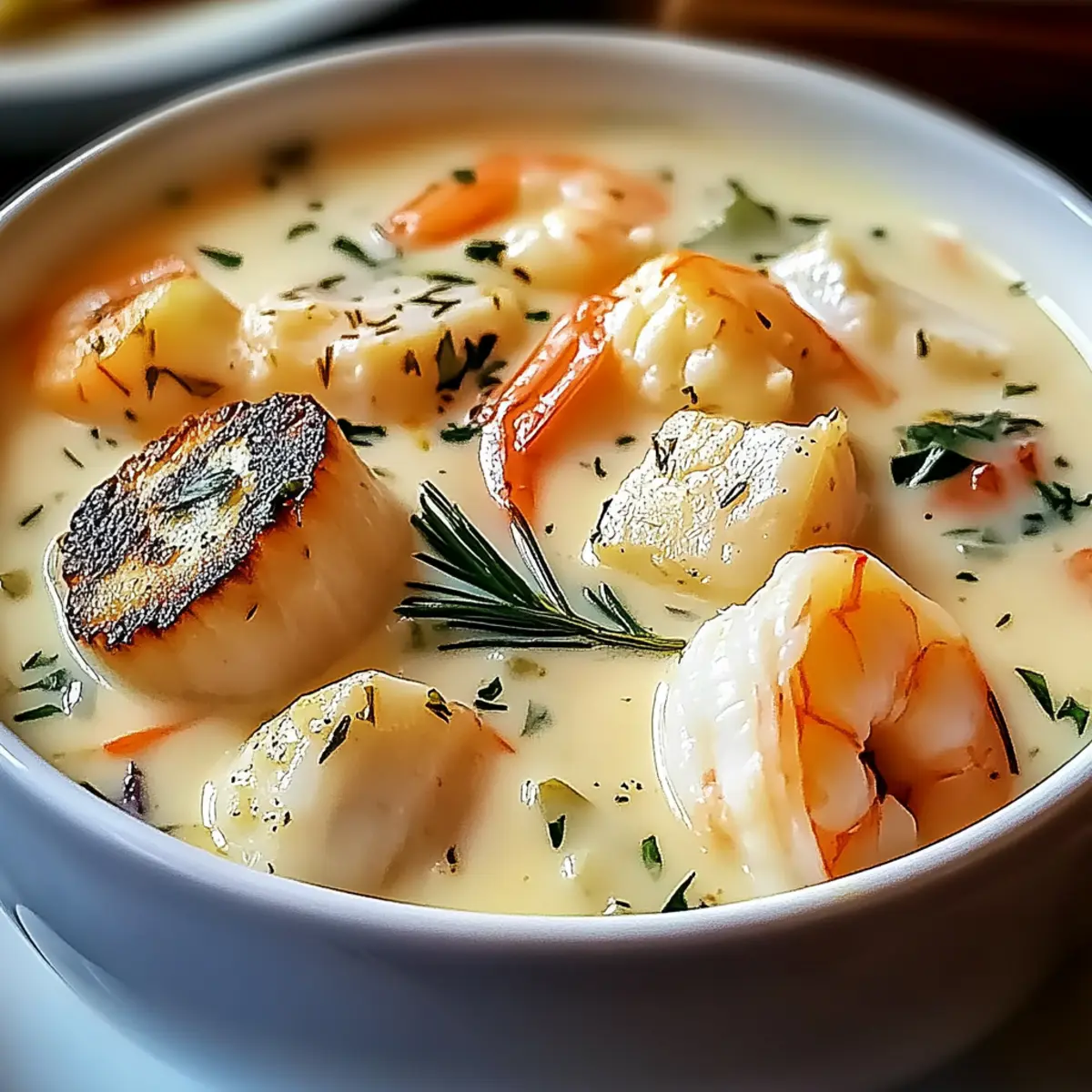
Cozy Up with Homemade Nova Scotia Seafood Chowder
Ingredients
Equipment
Method
- In a large pot, melt 2 tablespoons of butter over medium heat until bubbly. Add diced onions, celery, and carrots, sautéing for 3-4 minutes until they soften and become fragrant.
- Stir in the minced garlic and continue to cook for another minute until the garlic turns golden, stirring frequently to prevent burning.
- Next, add the peeled and diced potatoes, followed by 4 cups of seafood stock to the pot. Increase the heat to bring the mixture to a gentle boil.
- Once boiling, reduce the heat to low and let it simmer uncovered for about 10 minutes, or until the potatoes are tender when pierced with a fork.
- Lower the heat to a simmer, then pour in 1 cup of heavy cream and 1 cup of whole milk, stirring to combine.
- Season the chowder with salt, black pepper, and thyme, mixing well. Let it gently warm on low heat for 5 minutes, avoiding boiling to maintain a creamy texture.
- Gently fold in your choice of seafood—cubed white fish, shrimp, and scallops—into the chowder. If using, add mussels or clams now as well.
- Simmer on low for an additional 5-7 minutes, or until the seafood is cooked through and the mussels have opened, releasing their briny flavor into the chowder.
- Remove the chowder from heat and stir in chopped fresh parsley and a squeeze of lemon juice for brightness.
- Taste and adjust seasoning as needed by adding more salt or pepper, ensuring a delightful balance in your Nova Scotia Seafood Chowder.
- Ladle the rich and creamy chowder into warm bowls, pairing it with crusty bread or crackers for a satisfying meal.
- Optionally, garnish with additional parsley for a pop of color and freshness, inviting your family and friends to dig in!
Leave a Reply