
As I stood in the kitchen, the aroma of garlic sizzling in olive oil filled the air—nothing can transport me back to my childhood quite like that comforting scent. Today, I’m excited to share my recipe for Quick & Colorful Healthy Sautéed Vegetables, a vibrant dish that transforms everyday ingredients into a feast for the senses. Perfect for busy weeknights or meal prep, this easy recipe is not only healthy but also encourages creativity with endless variations. Whether you crave a hint of spice or a Mediterranean flair, sautéed vegetables can flex to fit any palate. Plus, they make for a delightful side that pairs beautifully with almost any main course. Curious about how to bring a rainbow of flavors to your dinner table? Let’s dive in!
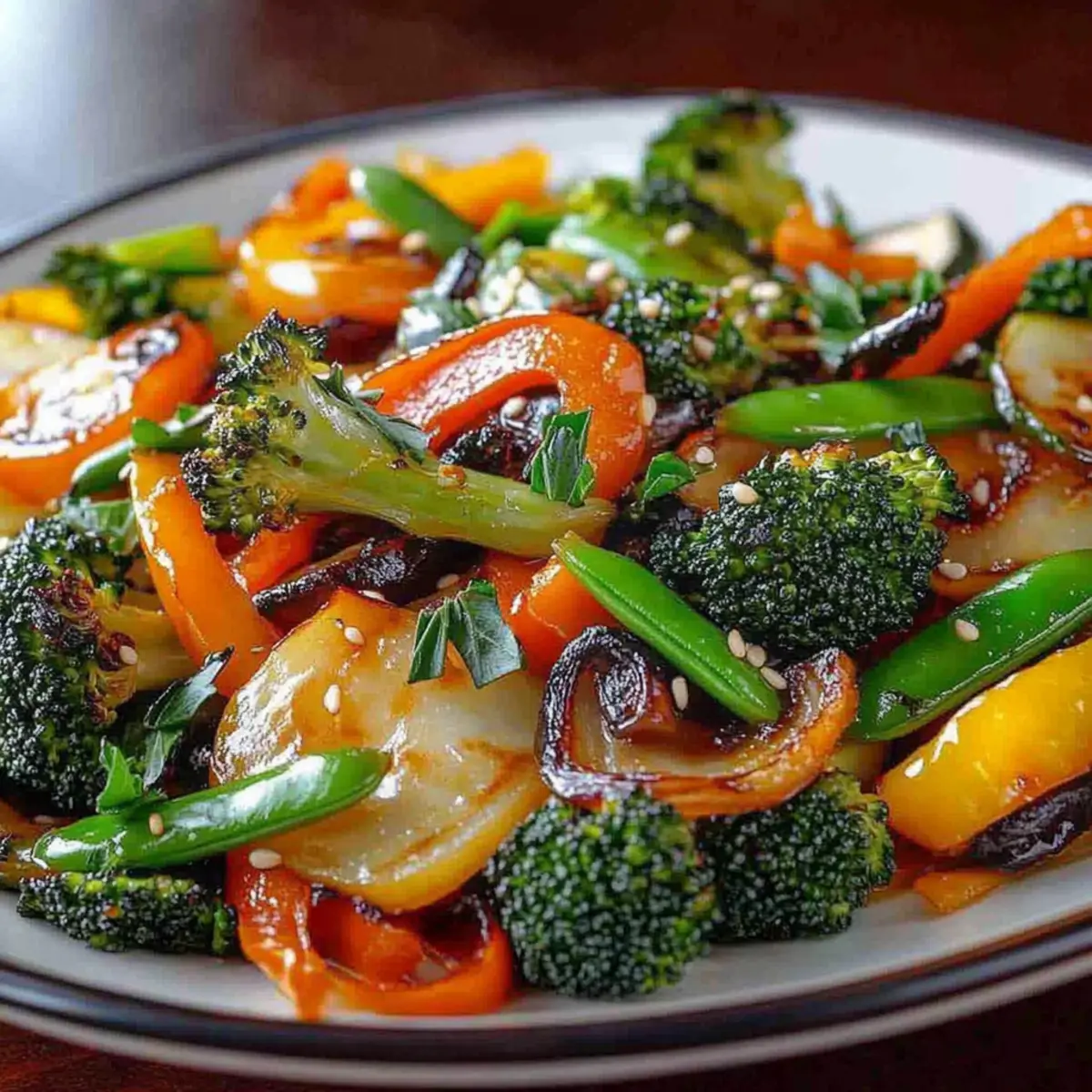
Why Try Sautéed Vegetables Today?
Vibrant Colors: A rainbow of vegetables makes any meal visually stunning, inviting everyone to dig in.
Quick & Easy: With just a few minutes in the pan, you can whip up a nutritious side that fits seamlessly into your busy lifestyle.
Endless Variations: Experiment with different spices and sauces for a new flavor profile with each preparation, making it a versatile dish for every occasion.
Healthy Eating Made Tasty: Packed with vitamins from a variety of colorful veggies, this dish promotes wellness without sacrificing flavor.
Meal Prep Friendly: Perfect for weekday meal prep, sautéed vegetables store well and can be easily reheated for lunch or dinner throughout the week.
For more delicious and healthy ideas, check out my guide on meal prep tips.
Sautéed Vegetables Ingredients
For the Sauté
- Olive oil (or avocado oil/butter) – Essential for sautéing; substitute any high smoke point oil if preferred.
- Garlic – Infuses aromatic flavor; fresh garlic is best but garlic powder works in a pinch.
- Onion – Adds sweetness and depth; shallots or leeks can serve as great substitutes.
For the Vegetables
- Bell pepper – Delivers vibrant color and sweetness; feel free to swap with other crunchy veggies like asparagus.
- Zucchini – Brings moisture and subtle flavor; summer squash is a nice alternative if you wish.
- Broccoli florets – Offers crunch and essential nutrients; try green beans for a different texture.
- Carrot – Introduces vibrant color and sweetness; parsnips or celery can also be used.
- Snap peas – Contributes a sweet crunch; snow peas or extra green beans can easily replace them.
- Mushrooms – Adds umami dimension; eggplant could be used instead or omit if not desired.
For Seasoning
- Salt and black pepper – Fundamental for flavor; enhance further with spices or herbs like Italian seasoning.
- Lemon juice (optional) – Brightens all flavors; lime juice or vinegar can serve as substitutes.
- Balsamic vinegar or soy sauce (optional) – Adds a tangy depth; liquid aminos works as a gluten-free alternative.
For Optional Toppings
- Toasted nuts or seeds – Enhance texture; feel free to choose your favorites to elevate flavors.
- Fresh herbs – Uplifts with freshness; any preferred herbs can work wonders.
- Grated Parmesan (optional) – For a cheesy finish, but omit for a vegan-friendly version.
These sautéed vegetables are not only quick to prepare and visually appealing, but they also pack a serious nutritional punch. Enjoy the journey of crafting this vibrant dish and feel free to experiment with your preferred flavors!
Step‑by‑Step Instructions for Quick & Colorful Healthy Sautéed Vegetables
Step 1: Prep Vegetables
Begin by washing, peeling, and chopping all your vegetables into uniform pieces, ensuring even cooking. Aim for bite-sized chunks, so everything cooks through in harmony. This preparation will make the sautéing process smooth and efficient, while also maximizing the visual appeal of your vibrant sautéed vegetables.
Step 2: Heat Pan
Place a large skillet over medium-high heat and add 1-2 tablespoons of olive oil. Allow the oil to warm for about 1-2 minutes until it shimmers, creating a beautiful surface ready for cooking. This initial step is crucial for achieving a nice sauté that locks in the flavors of the vegetables, setting a delicious foundation for your dish.
Step 3: Cook Aromatics
Add the minced garlic and sliced onion to the skillet, stirring frequently for 1-2 minutes until fragrant and lightly golden. You’ll notice the aroma wafting through the kitchen as these ingredients infuse the oil with incredible flavor. Be vigilant to avoid burning the garlic, which can turn bitter and affect the overall taste of your sautéed vegetables.
Step 4: Add Harder Vegetables
Introduce the chopped carrots and broccoli florets into the skillet, cooking for 3-4 minutes while stirring to ensure even cooking. The vibrant colors will start to brighten, and you’ll see the vegetables becoming tender yet still crisp. This step enhances the texture and adds depth to the flavors of your sautéed vegetables.
Step 5: Add Softer Vegetables
Now, it’s time to fold in the bell peppers, zucchini, mushrooms, and snap peas. Sauté the mixture for an additional 4-5 minutes, stirring occasionally until the vegetables are crisp-tender. Watch for those beautiful colors to pop, and listen for that satisfying sizzle as the quick cooking begins to meld all the delicious flavors together.
Step 6: Season
Sprinkle your sautéed vegetables with salt, black pepper, and any optional flavorings such as lemon juice or balsamic vinegar. Toss everything together for a minute to ensure the seasonings are well-distributed, bringing a bright tang to your dish. This step elevates your sautéed vegetables, enhancing their natural vibrancy and deliciousness.
Step 7: Finish & Serve
Once everything is perfectly combined and cooked, serve your sautéed vegetables immediately. For an extra touch, consider garnishing them with toasted nuts, seeds, or fresh herbs. This final step not only adds flavor but also enhances the presentation of your colorful, healthy sautéed vegetables, making it a delightful addition to any meal.
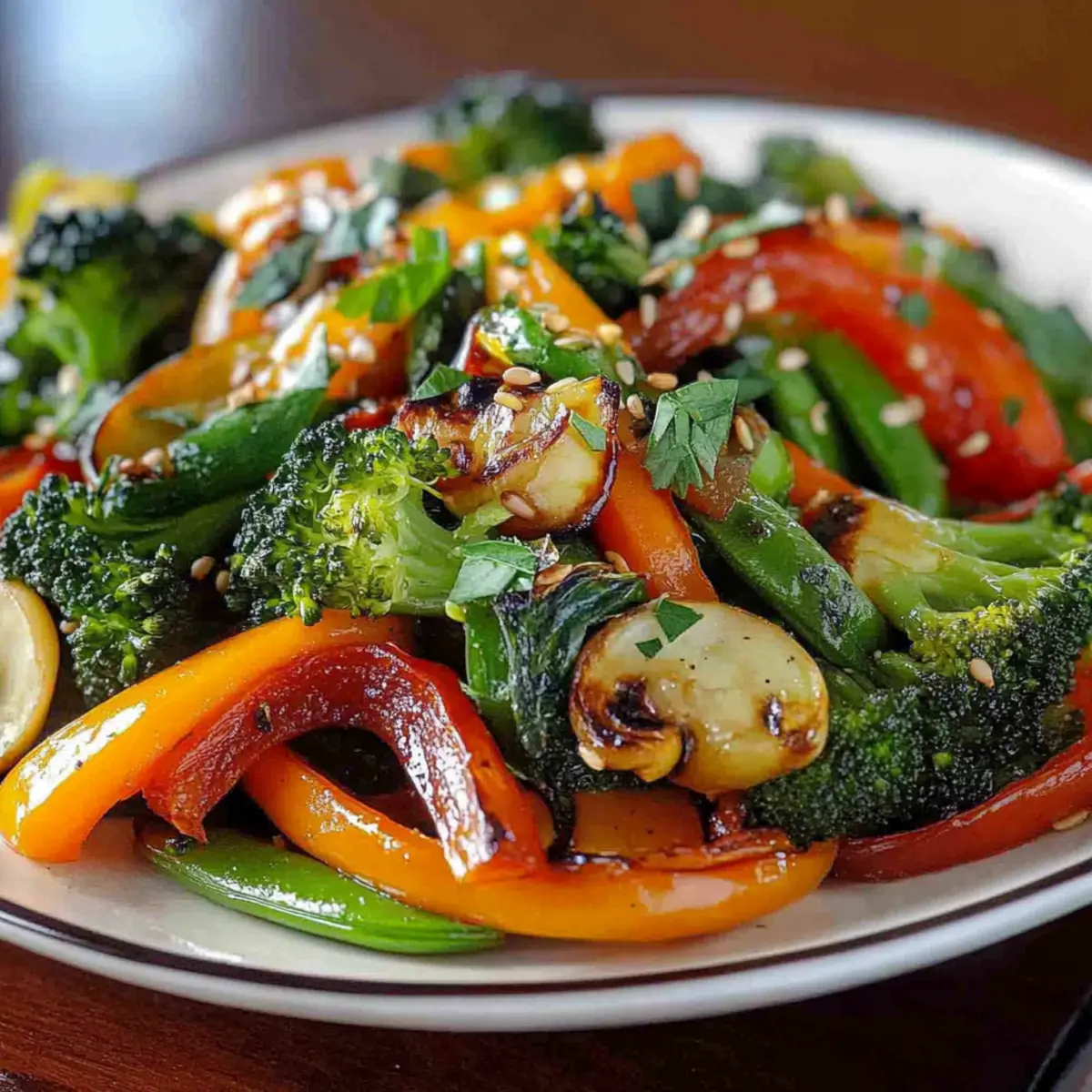
Expert Tips for Sautéed Vegetables
Avoid Overcrowding: Cooking too many vegetables at once can lead to steaming instead of that lovely sauté. Cook in batches if necessary for perfect crisp-tender results.
Heat Matters: Start with a preheated pan and maintain medium-high heat. This helps seal in flavors and prevents sogginess in your sautéed vegetables.
Don’t Rush Seasoning: Add salt and pepper after the vegetables have begun to soften. This allows the flavors to penetrate fully and enhances the taste of your sautéed vegetables.
Mix It Up: Experiment with various herbs and spices, from Italian seasoning to chili flakes, to keep your sautéed vegetables exciting and fresh.
Fresh Ingredients Shine: Use the freshest vegetables possible; they’ll have better flavor and texture, making your sautéed vegetables not only healthier but also tastier.
Make Ahead Options
These Healthy Sautéed Vegetables are perfect for meal prep enthusiasts looking to simplify their busy weeknights! You can chop all your vegetables up to 24 hours in advance, storing them in airtight containers in the refrigerator to keep them fresh and vibrant. Additionally, if you want to take it a step further, you can sauté the harder vegetables (like carrots and broccoli) a few hours ahead, refrigerating them before adding the softer ones just before serving. To finish, simply reheat your prepped vegetables in a hot pan for a few minutes, adding garlic and seasonings during the last minute to maintain their delicious flavor. This way, you’ll enjoy crisp-tender sautéed vegetables that are just as delightful as when made fresh!
Sautéed Vegetables Variations & Substitutions
Customize your sautéed vegetables to suit your taste and dietary needs, resulting in delightful new flavors each time!
- Dairy-Free: Substitute grated Parmesan with nutritional yeast for a cheesy flavor without dairy.
- Spicy Twist: Add a pinch of cayenne pepper or some sliced jalapeños for a fiery kick that wakes up the palate.
- Citrus Burst: Instead of lemon juice, try orange juice or zest for a sweeter, citrusy flavor that brightens the dish.
- Asian Flavor: Incorporate teriyaki or hoisin sauce along with sesame seeds for a deliciously sweet and savory profile.
- Hearty Addition: Toss in cooked chickpeas or lentils for a protein boost, making it a satisfying stand-alone meal.
- Smoky Flavor: Sprinkle smoked paprika for a rich, smoky undertone that adds depth to your sautéed dish.
- Herb-Infused: Infuse your oil with fresh herbs before sautéing; rosemary, thyme, or dill can completely transform your dish’s essence.
- Texture Play: For extra crunch, toss in some water chestnuts or toasted pumpkin seeds just before serving.
With these variations, you can create something uniquely yours! For even more inspiration, check out my tips on healthy meal swaps. Remember, adventure in the kitchen leads to beautiful meals!
What to Serve with Quick & Colorful Healthy Sautéed Vegetables
Pairing your vibrant sautéed vegetables with complementary dishes creates a delightful and well-rounded meal experience.
- Creamy Mashed Potatoes: The rich texture of mashed potatoes contrasts beautifully with the crisp-tender vegetables, offering comfort and satisfaction.
- Grilled Chicken: Juicy, grilled chicken brings a hearty flavor that balances well, while the vegetables add a refreshing bite.
- Quinoa Salad: A nutty quinoa salad with fresh herbs provides a wholesome base that enhances the medley of sautéed vegetables.
- Tofu Stir-Fry: Marinated tofu adds a protein punch while blending harmoniously with the array of colorful veggies for a healthy meal.
- Lemon Herb Rice: Light and zesty lemon herb rice makes a bright side that pairs nicely, soaking up the delicious flavors from the sautéed vegetables.
- Fresh Garden Salad: A crisp salad composed of mixed greens, radishes, and a tangy vinaigrette will add a refreshing contrast to your warm dish.
- Garlic Bread: The buttery, garlicky aroma of warm bread alongside sautéed vegetables enhances the meal’s comforting aspects and brings everyone to the table.
- Chocolate Mousse: For dessert, a delicate chocolate mousse offers a rich, creamy finish, balancing the lighter flavors of your sautéed vegetables perfectly.
How to Store and Freeze Sautéed Vegetables
Fridge: Store leftover sautéed vegetables in an airtight container in the fridge for up to 3-4 days. This keeps their vibrant colors and flavors intact while making them easy to reheat.
Freezer: For extended storage, freeze sautéed vegetables in a single layer on a baking sheet before transferring to a freezer bag. This method prevents clumping and preserves quality for up to 3 months.
Reheating: To reheat, simply warm in a skillet over medium heat for a few minutes until heated through. Add a splash of olive oil for extra flavor and freshness.
Make-Ahead Tip: If meal prepping, consider slightly undercooking the vegetables before freezing. This helps retain their crisp-tender texture after thawing.
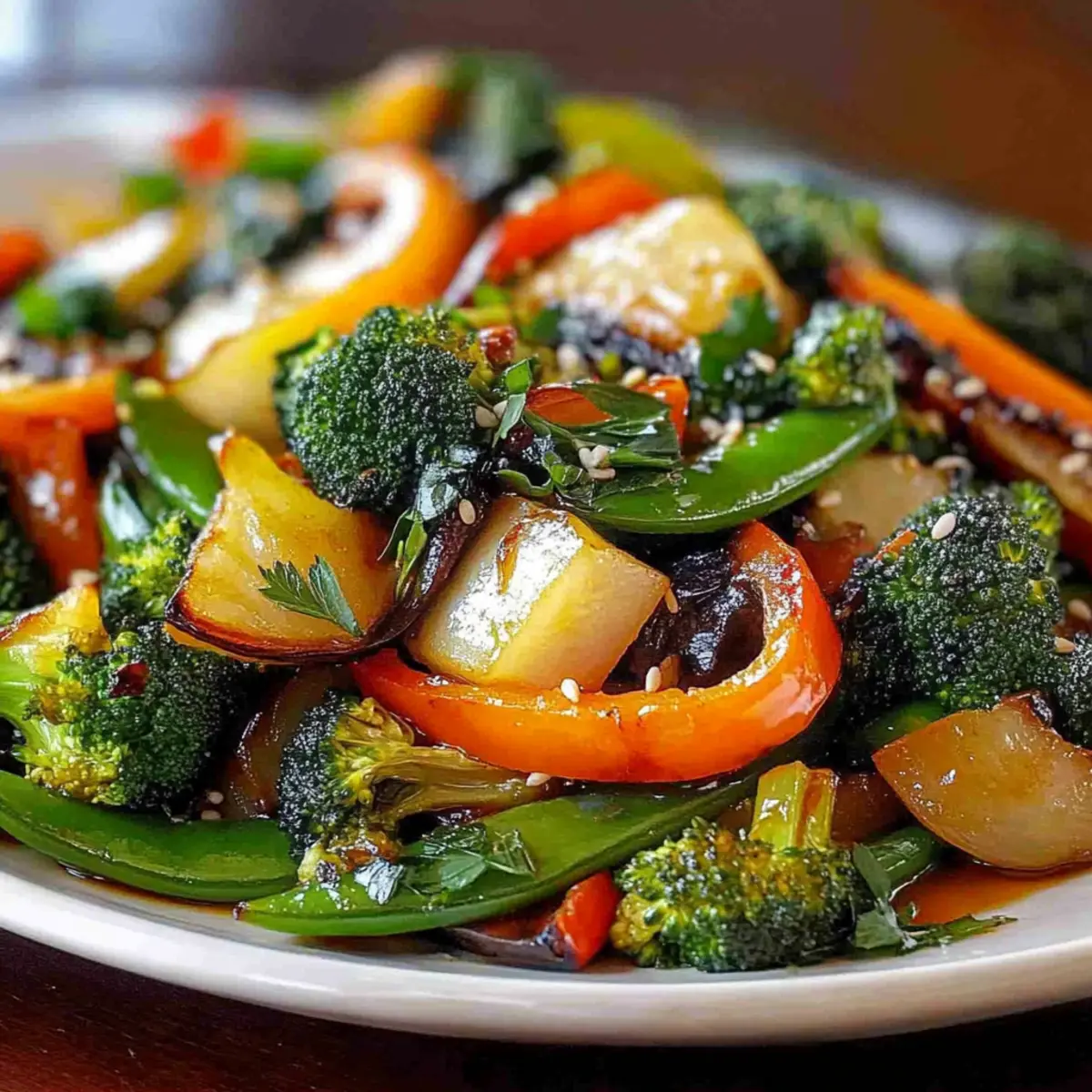
Sautéed Vegetables Recipe FAQs
How do I choose ripe vegetables for sautéing?
Absolutely! When selecting vegetables for sautéing, look for those that are vibrant in color, firm to the touch, and free of blemishes or dark spots. Fresh bell peppers should feel crisp, zucchini should be shiny, and broccoli florets should be deep green and tightly closed. Aim for local, seasonal produce for the best flavor!
How should I store leftover sautéed vegetables?
Very simple! After your meal, store any leftover sautéed vegetables in an airtight container in the fridge for up to 3-4 days. This keeps them fresh and retains their colors. When you’re ready to enjoy them again, just reheat in a skillet over medium heat for a quick and delicious snack or side.
Can I freeze sautéed vegetables?
Absolutely! To freeze sautéed vegetables, first spread them in a single layer on a baking sheet and place in the freezer until solid. This usually takes about 1-2 hours. Once frozen, transfer them to a freezer-safe bag, removing as much air as possible, and store for up to 3 months. This prevents them from clumping and makes it easy to grab just what you need later!
What if my sautéed vegetables end up soggy?
Don’t worry; it happens to the best of us! If your sautéed vegetables are soggy, it often means they were overcrowded in the pan or the heat was too low. To avoid this, cook in smaller batches and ensure your pan is hot enough before adding vegetables. If they are already cooked and soggy, try sautéing them on higher heat for a minute or two to help evaporate excess moisture.
Are sautéed vegetables safe for my pets to eat?
Generally, yes! Many sautéed vegetables, such as carrots, green beans, and zucchini, are safe for dogs, but be cautious with garlic and onions, as they can be toxic to pets. Always check specific vegetable guidelines before sharing your delicious creations with your furry friends!
Can I customize the sautéed vegetables for dietary needs?
Certainly! This recipe is incredibly versatile; you can easily make it vegan, gluten-free, or even low-carb by adjusting the ingredients. Want to go soy-free? Use coconut aminos instead of soy sauce, or skip the toppings for a light version. Feel free to swap in vegetables that fit your diet or what you have handy—this is all about what you love!
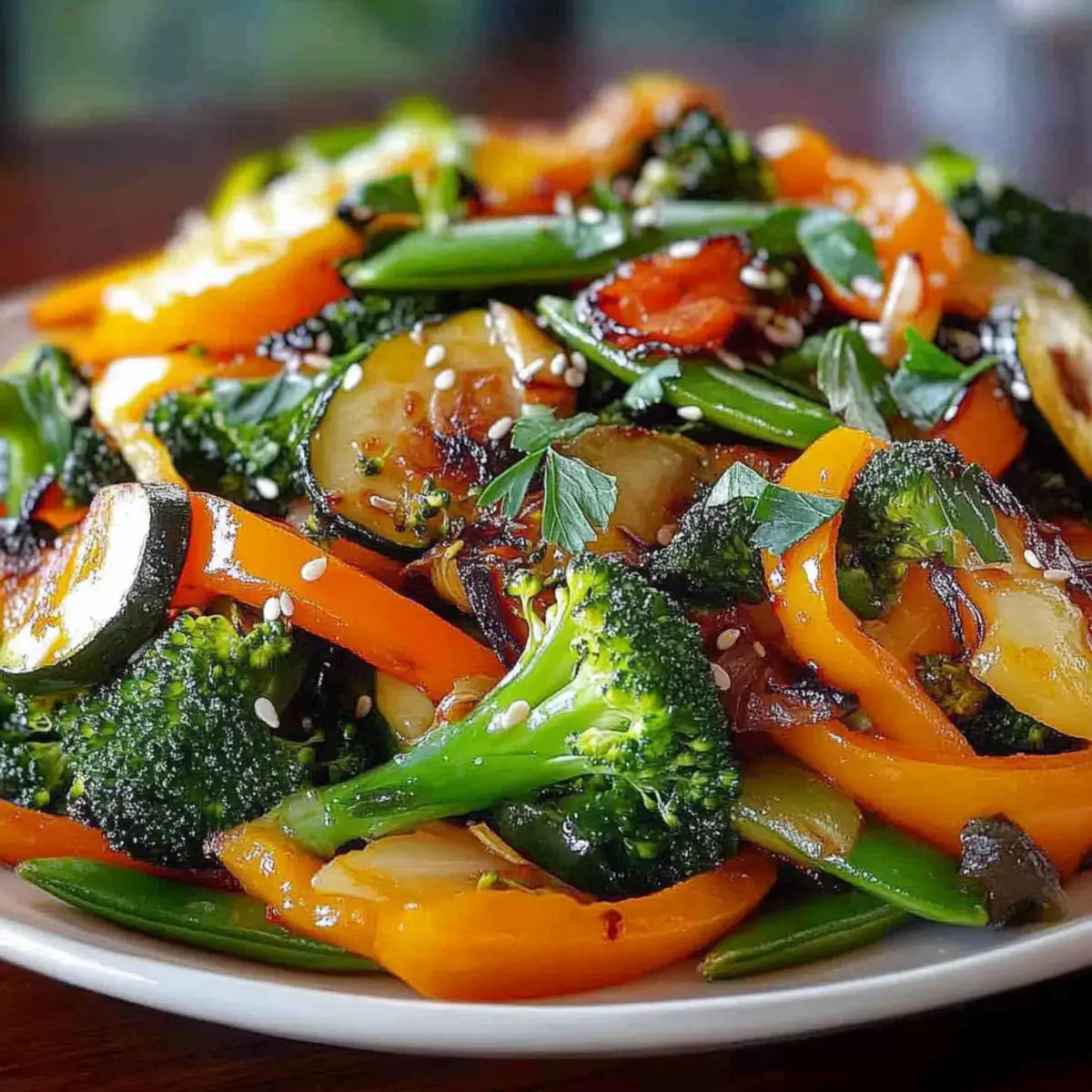
Sautéed Vegetables: Quick, Colorful, and Full of Flavor
Ingredients
Equipment
Method
- Prep Vegetables: Wash, peel, and chop all vegetables into uniform pieces.
- Heat Pan: Place a large skillet over medium-high heat and add olive oil, allowing it to warm.
- Cook Aromatics: Add minced garlic and sliced onion, stirring for 1-2 minutes until fragrant.
- Add Harder Vegetables: Introduce chopped carrots and broccoli, cooking for 3-4 minutes.
- Add Softer Vegetables: Fold in bell peppers, zucchini, mushrooms, and snap peas, sautéing for 4-5 minutes.
- Season: Sprinkle with salt, black pepper, and optional flavorings. Toss to combine.
- Finish & Serve: Serve immediately, garnished with optional toppings.
Leave a Reply